Indiana Deer Season Overlap With Small Game
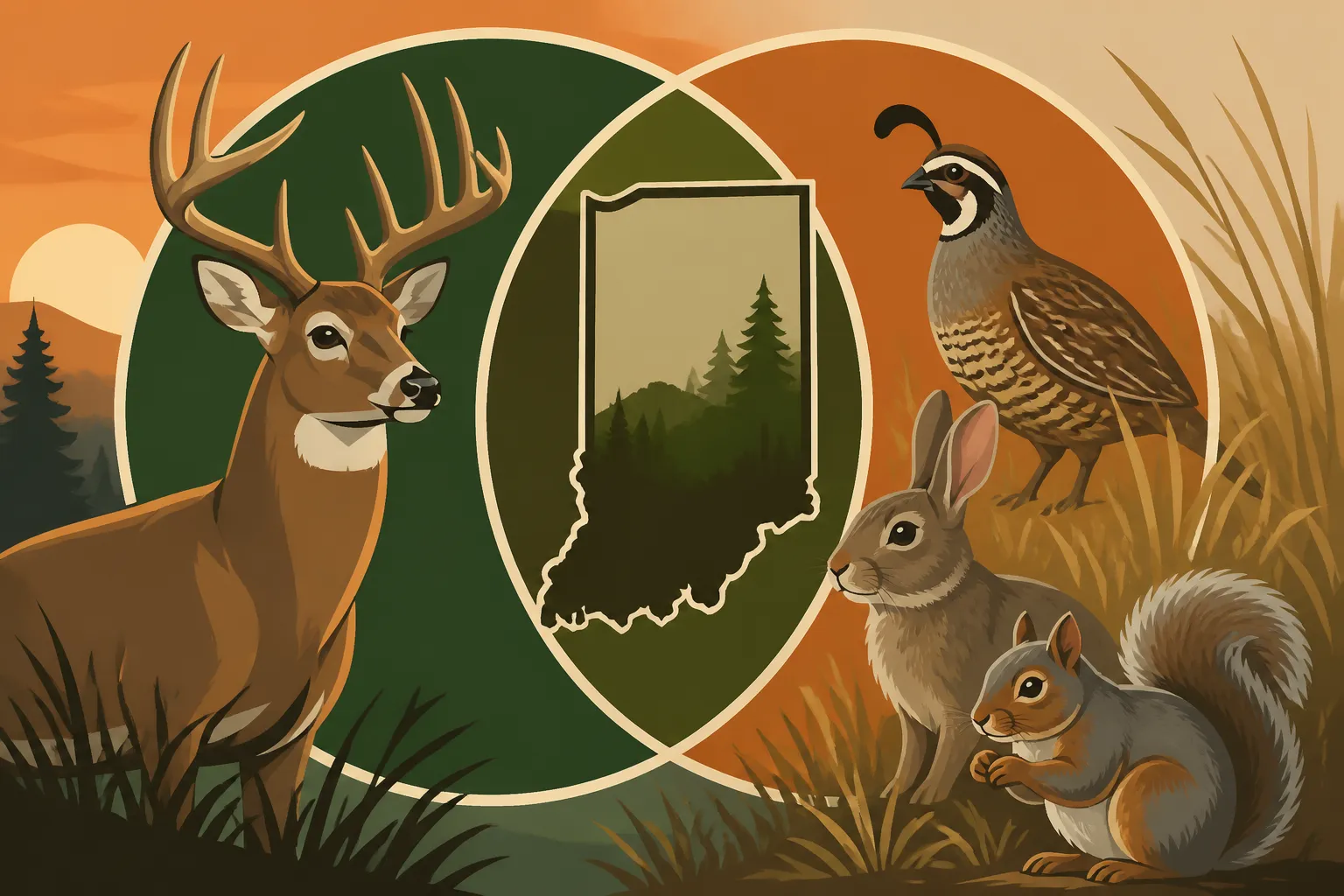
It can be incredibly frustrating to try and map out your hunting calendar in Indiana, especially when you’re passionate about chasing more than just deer. You want to make the most of every precious day afield, but with so many different seasons, it’s easy to feel like you’re either missing opportunities or inadvertently messing up one hunt while pursuing another. This comprehensive guide is here to untangle the overlapping seasons for deer and small game in Indiana, helping you understand the rules, identify prime opportunities, and develop strategies to maximize your success without feeling like you’re constantly choosing one species over another.
Understanding Indiana's Diverse Hunting Calendar
Indiana is a state rich in hunting opportunities, offering seasons for a wide array of game animals. However, with deer being such a popular pursuit, it's easy for the smaller game seasons to feel like an afterthought, or worse, a conflict. But with a bit of planning and understanding, you can often pursue both effectively.
The Rationale Behind Overlapping Seasons
You might wonder why the Indiana Department of Natural Resources (DNR) schedules seasons with so much overlap. It’s not just to make your life complicated, I promise! There are several key reasons behind this approach. First, it's about wildlife management. By allowing multiple species to be hunted concurrently, the DNR can spread out hunter pressure across different game populations and geographical areas. For instance, early archery deer season coincides with squirrel season, meaning some hunters might be focused on squirrels while others are looking for deer, helping to balance overall impact.
Secondly, it's about hunter opportunity. Many of us have limited vacation days or time away from work and family. Overlapping seasons mean you can potentially combine trips, making the most of your time in the woods. Imagine heading out for an early morning deer hunt and then switching gears to chase rabbits or squirrels in the afternoon. This flexibility is a huge bonus for the dedicated sportsman. Finally, habitat dynamics play a role. Many game species share similar habitats, and their activity patterns might align, making it practical to hunt them in the same general timeframe. The woods in October are alive with both deer movement and squirrel activity, for example, making it a logical period for both.
Primary Deer Seasons in Indiana
Before we dive into the overlaps, let's quickly lay out the major deer seasons that dominate the fall and winter hunting landscape in the Hoosier State. Knowing these timelines is crucial for understanding how small game fits in.
Indiana's deer season kicks off with the long archery season, which traditionally begins October 1st. This is a massive window, often running all the way through the end of December, and sometimes even into January. If you're looking for a deep dive, check out our guide on Bowhunting Indiana's Long Archery Season. This early fall period is when you'll find the most significant overlaps with squirrel hunting.
Next up is the firearms deer season, typically running for about two weeks in mid-November. This is often the most anticipated and busiest time in the woods. For more details on what to expect, read up on Indiana's Firearms Deer Season. The state's muzzleloader season follows, usually taking up the first couple of weeks in December. This is a prime time to extend your deer hunting, often in colder conditions. Our guide to Muzzleloader Deer Hunting in Indiana offers specific tactics for this period. Don't forget the youth deer weekend, which often falls in late September, providing an early opportunity for young hunters. These seasons, particularly firearms and muzzleloader, introduce specific considerations due to increased hunter numbers and weapon types.
Key Small Game Seasons and Their Deer Season Intersections
Now, let's talk about the small game that frequently shares the woods with our antlered friends. Understanding these overlaps can really expand your hunting horizons.
Squirrel Hunting During Early Archery
For many Indiana hunters, the sounds of rustling leaves and chattering squirrels are as much a part of early fall as a crisp morning mist. Squirrel season typically opens in mid-August and often runs all the way through January. This means there's a huge chunk of time where you can be pursuing both squirrels and deer simultaneously, particularly during the archery deer season.
Imagine yourself perched in a treestand during the first week of October, waiting for a mature buck. The woods are starting to turn, and the squirrels are going absolutely nuts, burying acorns. While you're keeping an eye out for deer, you're also hearing and seeing countless squirrels. This presents a unique opportunity. Many archers will carry a small game head or even a .22 pistol or rifle (where legal and appropriate for the specific land you're on, always check local regulations!) to take a squirrel or two if the deer action is slow. It's a fantastic way to fill the larder and stay engaged during a long sit. However, it's also a challenge: too much movement or a loud shot at a squirrel could spook a deer you've been waiting for. Our article on Squirrel and Small Game Hunting in Indiana goes into much more detail about tactics for these nimble critters.
Rabbit Hunting and Late-Season Deer
Rabbit season in Indiana usually kicks off in early November and extends well into January, giving it a significant overlap with the latter half of the firearms season, the entire muzzleloader season, and the late archery deer season. This is a fantastic overlap, especially if you enjoy hunting with dogs.
Picture a cold December day, perhaps with a dusting of snow on the ground. You've been trying to fill a late-season deer tag, but the big bucks are scarce. Suddenly, you hear the excited yips of beagles hot on a rabbit's trail. While deer hunting typically favors stealth and quiet, rabbit hunting often involves covering ground and making some noise, especially with dogs. This means you need to be strategic. You might dedicate separate days or specific blocks of time to each. However, the act of pushing brush and working fencerows for rabbits can also inadvertently move deer, potentially giving you a shot at a late-season whitetail. You'll find excellent advice on Rabbit Hunting Indiana Fencerows if you're looking to explore this option. The key is to be aware of the impact your rabbit hunt might have on deer activity in the area and plan accordingly.
Pheasant and Quail Overlaps
While not as widespread or extensive as squirrel and rabbit hunting, Indiana does have limited opportunities for pheasant and quail, and these seasons can also overlap with deer season. Pheasant season typically runs from early November into mid-December, largely coinciding with firearms and muzzleloader deer seasons. Quail season generally follows a similar schedule, though hunting opportunities are often more localized and challenging.
Most pheasant hunting in Indiana occurs on public Fish & Wildlife Areas (FWAs) where birds are stocked, or on private lands with suitable grassland habitat. If you're hunting an FWA known for both deer and pheasants, you'll definitely encounter other hunters. The loud nature of upland hunting – dogs, gunshots, and walking through dense cover – means it's usually not conducive to simultaneous deer hunting in the immediate vicinity. You'll want to choose different areas or different times of day if you're trying to pursue both. For more on pheasants, check out Pheasant Hunting Indiana Grassland. While direct overlap can be tricky, knowing these seasons exist means you can plan multi-species trips, perhaps hunting deer in the morning and then moving to a different block of public land or a specific private field for birds in the afternoon.
Strategic Considerations for Hunting Overlapping Seasons
Successfully navigating overlapping seasons isn't just about knowing the dates; it's about smart strategy and respecting other hunters and the game.
Gear and Clothing Adjustments
One of the biggest considerations when hunting multiple species during overlapping seasons is your gear, especially clothing and safety items. Indiana has strict blaze orange requirements during firearms season for deer, and often for some small game seasons as well. During the firearms deer season, for instance, you're required to wear hunter orange, which applies whether you're deer hunting, rabbit hunting, or even just walking to your archery stand during the overlap. This is non-negotiable for safety. Our detailed guide on Indiana Blaze Orange Requirements will give you all the specifics you need.
Beyond safety orange, think about versatility. A good base layer system that works for cold-weather deer hunting will also serve you well when chasing rabbits or squirrels. However, the type of weapon you carry will certainly influence your choices. If you're primarily bowhunting for deer, you might carry a small game tip for your arrows or a .22 pistol for squirrels. If you're on a deer drive during firearms season, a shotgun or rifle is appropriate. If you're pheasant hunting, a shotgun is a must. The GoHunt app, for example, can be an excellent tool for keeping track of specific season dates and regulations on the go, allowing you to quickly verify what's legal for the species you're pursuing at any given moment. Remember to pack gear that allows you to adapt to your changing target species.
Managing Hunter Pressure and Property Etiquette
When multiple seasons are open, hunter pressure on public lands can skyrocket. This is especially true during the November firearms deer season, where you'll find everything from deer hunters to rabbit hunters with dogs out there. This can be frustrating if you're trying to be stealthy for deer.
- Public Land Strategy: If you’re hunting public land, expect company. During firearms season, the woods can feel like a carnival. Consider scouting areas that are harder to access, or walking further than most hunters are willing to go. Utilizing tools like GoHunt's mapping features can help identify less-traveled areas on public lands. If you're small game hunting, respect the space of deer hunters you encounter. Don't push through someone's setup if you can avoid it. Conversely, if you're deer hunting and hear dog hunters approaching, understand that they have just as much right to be there as you do. Communication can go a long way. A quick, friendly wave can often prevent misunderstandings.
- Private Land Considerations: On private land, your relationship with the landowner is paramount. Always clarify what species you have permission to hunt. A farmer might be happy for you to shoot squirrels but not want you disturbing deer in a particular woodlot before the rut. Discuss your intentions openly. Sometimes, a landowner might even prefer you hunt rabbits or squirrels to help manage those populations, or they might allow you to hunt deer only in specific areas. Clear communication ensures you keep access for years to come.
Maximizing Opportunities and Minimizing Disturbance
The ultimate goal is to get the most out of your time without negatively impacting your chances for other game.
One key strategy is time management. You might dedicate early mornings to deer hunting from a stand, when deer are often most active and small game is still largely quiet. Then, as the sun gets higher and deer activity slows, you could switch to a walk-and-stalk for squirrels or push brush piles for rabbits. Alternatively, you could plan separate days entirely, focusing on deer one day and small game the next.
Another tactic is location scouting. Look for areas where the habitats for deer and small game naturally overlap. A mature timber stand with plenty of oaks might hold both deer and a high density of squirrels. A creek bottom with thick cover and nearby agricultural fields could be perfect for both rabbits and deer. Our guide on Scouting Indiana Public Land Before Season emphasizes how pre-season scouting is invaluable for identifying these multi-species hotspots. Think about your entry and exit routes to minimize disturbing areas you want to hunt later for deer. If you're going to be walking and making noise for small game, do it in a way that pushes deer towards your stand location, or do it in an area where you don't plan to deer hunt that day.
Specific Overlap Scenarios and Tactics
Let's break down some common scenarios you'll encounter and practical tactics to employ.
Early Fall: Bowhunting and Bushytails
This is perhaps the most natural overlap, starting in early October. You're deep in the timber, hoping for a whitetail. Squirrels are everywhere, franticly gathering acorns.
- Silent Observation: When you're bowhunting, silence is golden. However, the constant chatter and movement of squirrels can be a mixed blessing. They can act as natural "scouts," alerting you to larger animals moving through the woods. Pay attention to how they react. If a squirrel suddenly goes silent or barks intensely in a specific direction, it might be reacting to a deer or another predator.
- Opportunistic Small Game: Many bowhunters carry a few arrows tipped with small game heads (like a blunt or a judo point) specifically for squirrels. If a big buck isn't showing, and a squirrel presents a perfect, ethical shot within close range, it's a great way to add meat to the freezer and practice your shooting form under hunting conditions. Just be mindful of how a shot (even a quiet bow shot) might impact the deer you're after. Some hunters prefer to carry a suppressed .22 pistol or rifle during archery season where legal, offering a very quiet option for small game without excessive disturbance. This is where using a tool like GoHunt to double-check specific FWA or private land regulations on carrying secondary firearms can be really helpful.
- Hunting Different Spots: If you're serious about a big buck, you might reserve your prime deer stand locations strictly for deer. Then, have separate, less critical spots or ground hunting areas where you can be more aggressive in pursuing squirrels. A stand placed overlooking a funnel between two woodlots might be a deer-only zone, while a walk through an old hickory grove is for squirrels.
Mid-Season: Firearms Deer and Upland Opportunities
Mid-November to early December sees the firearms deer season and the start of many upland bird and rabbit seasons. This is when the woods can get busy.
- Safety First: This is paramount. With rifles and shotguns in the woods, visibility is critical. Always wear your blaze orange. Be absolutely sure of your target and what's beyond it.
- Deer Drives and Small Game Flushes: If you're participating in a deer drive on public land, understand that you'll likely flush rabbits and pheasants as well. While you're focused on deer, keep an eye out. However, don't let a flushing bird distract you from your primary objective or lead to unsafe shooting. When hunting Deer Drives With Three or Four Hunters, communication is key, and everyone needs to be aware of the primary target.
- Morning Deer, Afternoon Birds: A common strategy is to dedicate the early morning to deer hunting from a stationary position, like a stand or ground blind. Once deer activity wanes around mid-morning, you can transition to a different area for upland birds or rabbits. This minimizes conflict. You could hunt deer from a ground blind on a field edge, and then move a few hundred yards to a brushy fencerow for rabbits. Remember, Using a Ground Blind on Indiana Public Land provides excellent concealment and can be very versatile for multiple species.
Late Season: Muzzleloader, Archery, and Rabbits
As winter deepens through December and January, the late archery and muzzleloader seasons offer opportunities to fill those last deer tags. Simultaneously, rabbit season is in full swing.
- Cold Weather Tactics: Late-season hunting means cold weather and often snow. This can actually simplify things. Deer and rabbits both gravitate towards thick cover and reliable food sources. Finding Late-Season Food Sources for Indiana Whitetails is crucial, and often these same areas will hold rabbits.
- Tracking Opportunities: A fresh snow can be a gift. You can track deer, and simultaneously identify prime rabbit habitat. If you're still-hunting for a deer, you'll be moving slowly and quietly, which can allow you to spot rabbits hunkered down in cover.
- Combining Efforts: If you're hunting with a group, some members might focus on pushing rabbits in thickets while others post up nearby for deer. The movement created by rabbit hunters can often push deer out of heavy cover, presenting shots for stationary deer hunters. This requires careful planning, communication, and a clear understanding of shooting lanes and safety zones.
Here's a quick reference table for some of the key season overlaps in Indiana:
| Deer Season | Typical Dates (Approx.) | Overlapping Small Game Seasons | Primary Overlap Species | Strategic Consideration |
|---|---|---|---|---|
| Archery (Early) | Oct 1 – Early Nov | Squirrel | Squirrels | Silent movement for deer, opportunistic squirrel shots. Minimal hunter orange needed for deer. |
| Firearms | Mid-Nov (2 weeks) | Rabbit, Pheasant, Quail, Squirrel | All | Blaze orange required. High hunter pressure. Separate focus for deer/small game or planned drives. |
| Archery (Late) | Mid-Nov – Jan 7 | Rabbit, Squirrel | Rabbits, Squirrels | Blaze orange required during firearms season overlap. Can combine still-hunting for deer with brush-pounding for rabbits. |
| Muzzleloader | Early Dec (2 weeks) | Rabbit, Squirrel, Pheasant, Quail | Rabbits, Squirrels | Blaze orange required. Similar to late archery, good for cold weather and tracking. |
| Archery (Late Jan) | Jan 8 – Jan 31 | Rabbit, Squirrel | Rabbits, Squirrels | No blaze orange required. Very low pressure. Focus on food sources and heavy cover for both species. |
Please remember that these dates are approximate and can vary slightly year to year. Always check the current Indiana DNR hunting regulations before heading afield. You can often find the official Indiana Archery Season Dates, Indiana Firearms Season Dates, Indiana Muzzleloader Season Dates, Indiana Squirrel Season Dates, and Indiana Rabbit Season Dates directly from the DNR.
It’s true that balancing the pursuit of deer with small game can add layers of complexity to your hunting plans. But with a solid understanding of the seasons, smart tactical adjustments, and a healthy respect for both the game and your fellow hunters, you can unlock incredible opportunities. The Indiana woods are bountiful, and with a bit of planning, you can make the most of every day you spend in them, whether you’re after a trophy buck or a mess of squirrels for the pot.
Disclaimer
Please note: Hunting regulations can change. Always consult the most current Indiana Department of Natural Resources (DNR) regulations and local ordinances before engaging in any hunting activities. This guide is for informational purposes only and should not be considered legal advice.