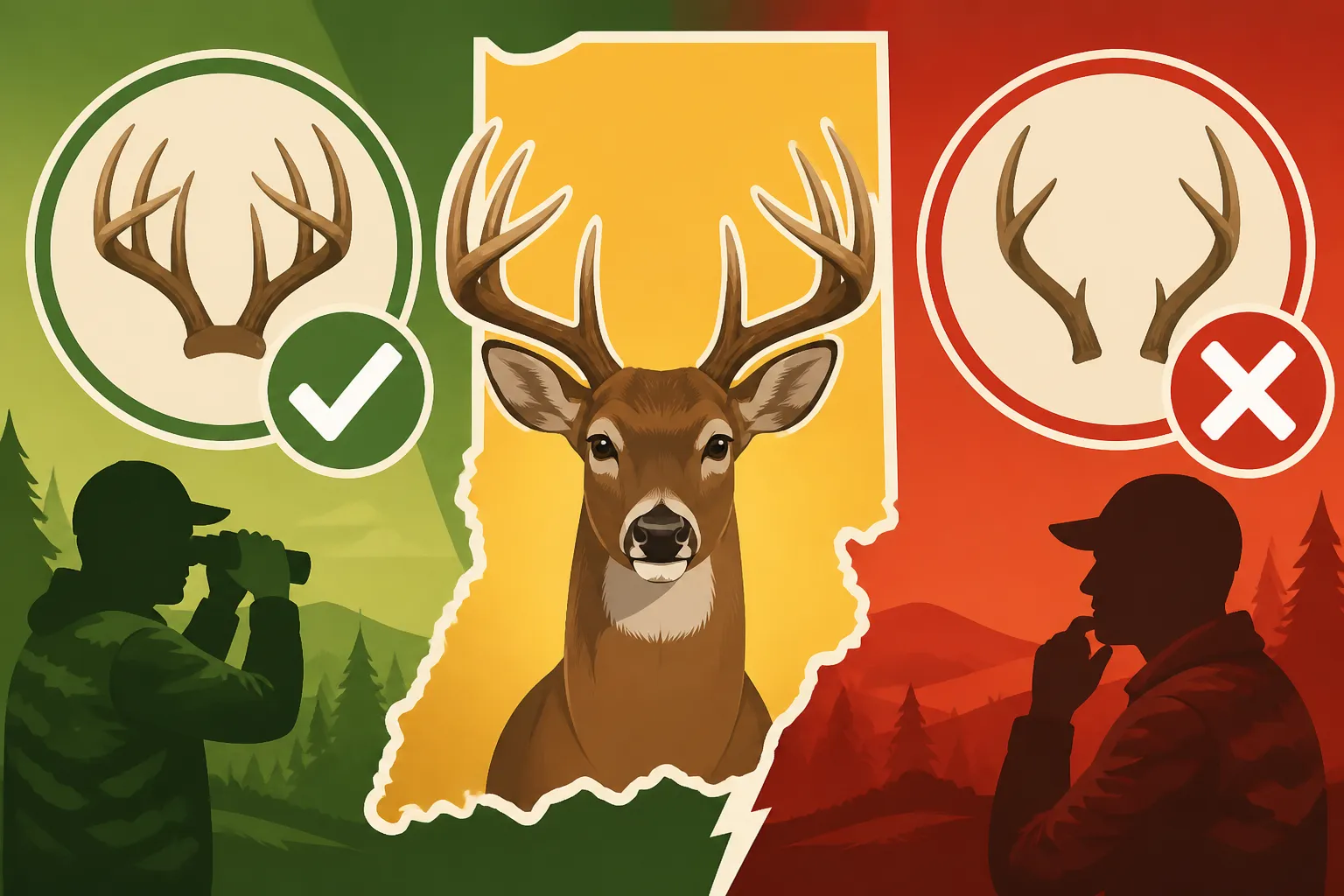
Indiana Deer Antler Restrictions Debate
The conversation around deer antler restrictions in Indiana is one of those topics that can really divide a deer camp. Many of us have strong feelings about what’s best for the herd, what makes for a good hunting experience, and whether more regulations are truly the answer. This guide aims to peel back the layers of this ongoing debate, looking at the common arguments, the current situation in our beloved Hoosier state, and what it all means for you, the Indiana deer hunter.
The Heart of the Antler Restriction Debate in Indiana
For many years, the idea of antler restrictions has been a hot topic not just in Indiana, but across the nation. It sparks passionate discussions because it touches on core values of hunting: opportunity, conservation, and the sheer joy of the chase. It's not just about rules on paper; it's about what we want our deer herd to look like and what kind of hunting experience we're hoping for when we head into the woods.
What Exactly Are Antler Restrictions?
At its simplest, an antler restriction is a regulation that dictates the minimum size or configuration of antlers a buck must possess to be legally harvested. This isn't just a simple "one buck per hunter" rule, which Indiana already has; it goes deeper. Common forms include requiring a certain number of points on one side (e.g., "four-points-to-a-side"), a minimum inside spread (e.g., "15-inch spread"), or even a combination of both. The primary goal behind such restrictions is often to reduce the harvest pressure on younger bucks, allowing more of them to survive to older age classes.
Imagine you're sitting in your stand near a Hunting a Funnel Between Two Woodlots in late October, and a small 8-pointer walks by. Under traditional rules, if you have a buck tag, he's a legal animal. Under an antler restriction rule, that same buck might be deemed "illegal" if his antlers don't meet the specified minimums. This immediately creates a different decision-making process for the hunter. It shifts the focus from "is it a buck?" to "is it a legal buck under the restriction?" This nuance is where a lot of the debate begins, as it directly impacts hunter choice and opportunity in the field.
The History of the Debate in Indiana
Indiana has a fascinating history with deer management, and the antler restriction debate is a relatively recent chapter in that story. Unlike some states that have implemented widespread antler point restrictions, Indiana has, for the most part, resisted these statewide regulations. The Indiana Department of Natural Resources (DNR) has traditionally focused on managing the overall deer population through bag limits, season structures, and promoting antlerless harvest, aiming for a healthy and balanced herd across the state. This approach has allowed hunters flexibility in what antlered deer they choose to pursue.
However, that doesn't mean the conversation hasn't been lively. For years, hunters have discussed and debated the merits of APRs in online forums, at sporting goods stores, and around campfires. Periodically, proposals or discussions have surfaced, often driven by hunter groups advocating for changes they believe would lead to a higher percentage of mature bucks. The DNR, through public surveys and biological assessments, has consistently evaluated these discussions, acknowledging hunter interest while also considering the scientific implications and broad impacts on hunter satisfaction. Understanding Indiana Deer Season Structure Explained gives you a good baseline for how our current system works without these specific antler regulations.
Arguments for Implementing Antler Restrictions
When you talk to hunters who advocate for antler restrictions, their reasoning often boils down to a few key aspirations for the deer herd. They're looking for a specific type of hunting experience and believe that these rules are the path to achieving it. It’s a vision of deer hunting that prioritizes older, larger-antlered animals.
The Quest for Older Bucks
One of the most compelling arguments for antler restrictions, from a hunter's perspective, is the desire to see more older-class bucks roaming the woods. Many hunters feel a deep satisfaction in pursuing mature animals, not just for their antlers but for the challenge they present. When younger bucks are harvested too early, it can feel like the "potential" of the herd is being cut short. The logic is that if hunters are required to pass up young 1.5-year-old and 2.5-year-old bucks, those deer will survive another year or two, allowing them to fully develop their antler size and body weight.
This "let them go, let them grow" philosophy resonates strongly with hunters who have seen the potential of a property where young bucks are intentionally allowed to walk. They envision a future where encountering a truly large, older buck is a more common occurrence, enriching the hunting experience significantly. It's about shifting the age structure of the buck population, moving from a herd dominated by young, often small-racked bucks, to one with a healthier distribution of older, more experienced animals. This directly ties into the aspirations many hunters have for improving the overall quality of White-Tailed Deer Across Indiana.
Improving Herd Health and Genetics (Perceived)
Beyond just antler size, proponents also often argue that antler restrictions can lead to improvements in overall herd health and genetics. The idea here is that by allowing more bucks to reach maturity, you're not only seeing bigger antlers, but potentially promoting the breeding of more robust, genetically superior deer. While the scientific community often debunks the idea that passing young bucks alone significantly alters free-ranging herd genetics, the perception among many hunters is that it does. They believe that if only mature bucks are allowed to breed, then stronger genes will be passed down, resulting in a more vigorous and healthy herd in the long run.
Furthermore, some believe that by reducing pressure on young bucks, hunting pressure might be more evenly distributed, or that it could lead to a more balanced buck-to-doe ratio. A more balanced ratio can sometimes lead to a more intense and prolonged rut, as bucks compete more for breeding opportunities. This enhanced rut activity is something many hunters dream of experiencing, offering more opportunities for calling and chasing during peak breeding times, especially when Hunting the Indiana Rut in Early November. It's a complex interplay of biology and hunter perception that fuels a significant part of this debate.
Arguments Against Antler Restrictions
While the idea of bigger, older bucks sounds appealing to many, a significant portion of Indiana hunters remain staunchly opposed to antler restrictions. Their arguments often center on hunter opportunity, the practicalities of hunting, and the scientific realities of deer management. It's about respecting traditional hunting values and the freedom to pursue game without undue complication.
Hunter Choice and Opportunity
One of the loudest voices against antler restrictions comes from the deep-seated belief in hunter choice. Many Hoosier hunters feel that once an animal is legally classified as a buck and they possess the proper tag, they should have the right to harvest it, regardless of its antler size. For some, the thrill of the hunt isn't solely about antler mass; it's about the entire experience—the scouting, the patience, the shot, and the venison. A young 6-pointer might be a hunter's first buck, or a child's first buck, and for them, that animal is just as much a trophy as a Boone and Crockett contender.
The frustration is palpable when hunters imagine passing a legal buck, only for it to be hit by a car a week later, or shot by a neighbor who isn't subject to the same strict self-imposed or future state-imposed rules. This feeling of "waste" or missed opportunity can sour the hunting experience. They argue that additional restrictions strip away the fundamental aspect of personal choice, making hunting less accessible or enjoyable for many, especially those who hunt for meat, fellowship, or simply the experience of being outdoors. For them, current regulations, like the "one antlered buck" rule, coupled with ample Indiana Deer Harvest Records and Indiana Deer Population Estimate data, are sufficient for healthy deer management.
Practical Challenges and Enforcement
Beyond philosophical objections, there are significant practical challenges associated with implementing antler restrictions. One of the biggest hurdles is field judging. It's incredibly difficult, especially in low light, thick timber, or when a buck is moving quickly, to accurately count points or estimate antler spread. A hunter might genuinely believe a buck meets the minimum requirement, only to find out after the harvest that it falls short, leading to potential violations and a disheartening experience. This isn't just a hypothetical problem; it's a real concern for hunters in the field.
Enforcement also becomes a much more complex issue for conservation officers. Instead of simply verifying that a harvested animal is an antlered buck, they would have to meticulously measure points and spread, adding layers of potential dispute and increasing the difficulty of their job. This can lead to increased stress for hunters, who might hesitate to pull the trigger on a borderline animal, fearing a costly mistake. For hunters who rely on tools like the GoHunt app for digital licenses and mapping, adding such a complex field-judging requirement would be a significant shift in how they prepare and execute their hunt. It's also argued that focusing on antler restrictions detracts from more impactful management strategies, such as managing antlerless harvest to control overall herd numbers and reduce agricultural damage.
Scientific Concerns and Data
From a scientific perspective, many wildlife biologists and the Indiana DNR have expressed reservations about the effectiveness and necessity of statewide antler point restrictions. They often point out that antler size is primarily influenced by three factors: age, nutrition, and genetics. Of these, age and nutrition are by far the most dominant. A 1.5-year-old buck, even with "good" genetics, simply hasn't had the time or nutrition to express its full antler potential. Conversely, a 4.5-year-old buck, even with "average" genetics, will almost always have larger antlers than a younger deer. Therefore, simply passing young bucks primarily increases the age structure, which then naturally results in larger antlers due to age and nutrition.
The argument that APRs significantly improve herd genetics is often met with skepticism by biologists. In a large, free-ranging deer population like Indiana's, the movement of deer and the vast genetic pool make it highly unlikely that selective harvesting of bucks based on antler size alone would have a meaningful impact on the overall genetic makeup of the herd. Instead, they often advocate for balanced doe harvest to ensure the herd stays within the carrying capacity of the land, which directly impacts the nutrition available to all deer, including bucks. For those looking at scientific data and management, understanding How Indiana DNR Counts the Deer Herd and the factors influencing Why Southern Indiana Grows Big Bucks often points to management strategies beyond just antler restrictions.
Where Indiana Stands Today and Looking Forward
The debate around antler restrictions is one that continues to echo through the hunting community. While there are passionate arguments on both sides, it's crucial to understand the current reality in Indiana and how deer management decisions are typically made. For now, the Hoosier state has taken a particular path, but the conversation is always ongoing.
Indiana's Current Approach to Deer Management
As it stands today, Indiana does not have statewide antler point restrictions. Our regulations focus on a "one antlered buck" rule per hunter per season, along with robust opportunities for antlerless harvest. This means that if you have a legal buck tag, and you encounter an antlered deer, it's generally considered fair game, provided it meets the definition of an antlered deer (e.g., at least one antler three inches or longer). This approach gives hunters maximum flexibility and opportunity in the field, allowing them to decide what constitutes a "trophy" for them.
The Indiana DNR relies on a comprehensive strategy for deer management that emphasizes maintaining a healthy, balanced deer population through other means. This includes closely monitoring population trends, harvest data, and deer health indicators like those gathered in Indiana's Chronic Wasting Disease Positive Area. By managing the number of deer taken, especially antlerless deer, the state aims to keep the population within ecological and social carrying capacities, which ultimately benefits all deer in the herd by ensuring adequate food and habitat. This holistic approach, rather than focusing solely on antler size, is seen as more effective for long-term herd health and hunter satisfaction. If you're looking to fill an antlerless tag, knowing the rules for Hunting a Deer Reduction Zone can be particularly useful.
The Ongoing Conversation and Hunter Input
Even without statewide antler point restrictions, the conversation is far from over. Hunters in Indiana continue to discuss, propose, and debate what future deer management might look like. Our hunting traditions are deeply personal, and everyone has a valid perspective on how we should manage our wildlife resources. The Indiana DNR actively seeks hunter input through various channels, including public surveys, comment periods, and engaging with hunting organizations. These discussions are vital for shaping future regulations and ensuring that management decisions reflect both sound biological principles and the values of Indiana's hunting community.
Staying informed is key for any hunter, and tools like the GoHunt platform or the official Indiana DNR app can be invaluable resources. These platforms help you keep up with potential regulation changes, season dates, and even provide digital access to your Indiana Hunting Licenses and What They Cost. As a hunter, your voice matters, and participating in these discussions, whether through formal channels or simply sharing your informed opinions, helps ensure that the future of Indiana deer hunting continues to align with the values we all cherish. Whether you're interested in Scouting Indiana Public Land Before Season or understanding proposed legislative changes, staying connected is essential.
| Feature | Pro-Antler Restriction Arguments | Anti-Antler Restriction Arguments |
|---|---|---|
| Primary Goal | Increase number of older, larger-antlered bucks in the herd. | Maintain hunter choice, opportunity, and traditional hunting values. |
| Herd Quality | Believed to improve buck age structure and potentially genetics. | Age and nutrition are primary drivers; genetic impact often overstated. |
| Hunter Experience | More chances at truly mature bucks, higher trophy potential. | Freedom to harvest any legal buck; less frustration from passing deer. |
| Field Judging | Encourages careful observation, fosters patience. | Difficult in real-world conditions, leads to potential violations. |
| Enforcement | Increases complexity for conservation officers. | Simpler for hunters and officers; reduces unintended rule breaking. |
| Impact on Youth | Teaches patience, focuses on long-term herd health. | Can discourage new hunters if choices are overly restricted. |
| Overall Impact | Potentially shifts a perceived imbalance towards younger bucks. | May lead to hunter dissatisfaction, buck dispersal, or frustration. |
Disclaimer
This article is for general informational purposes only and does not constitute professional advice. Laws, prices and regulations vary by location and change over time. Consult a qualified professional for guidance on your specific situation.