Hunting a Clover Plot at First Light
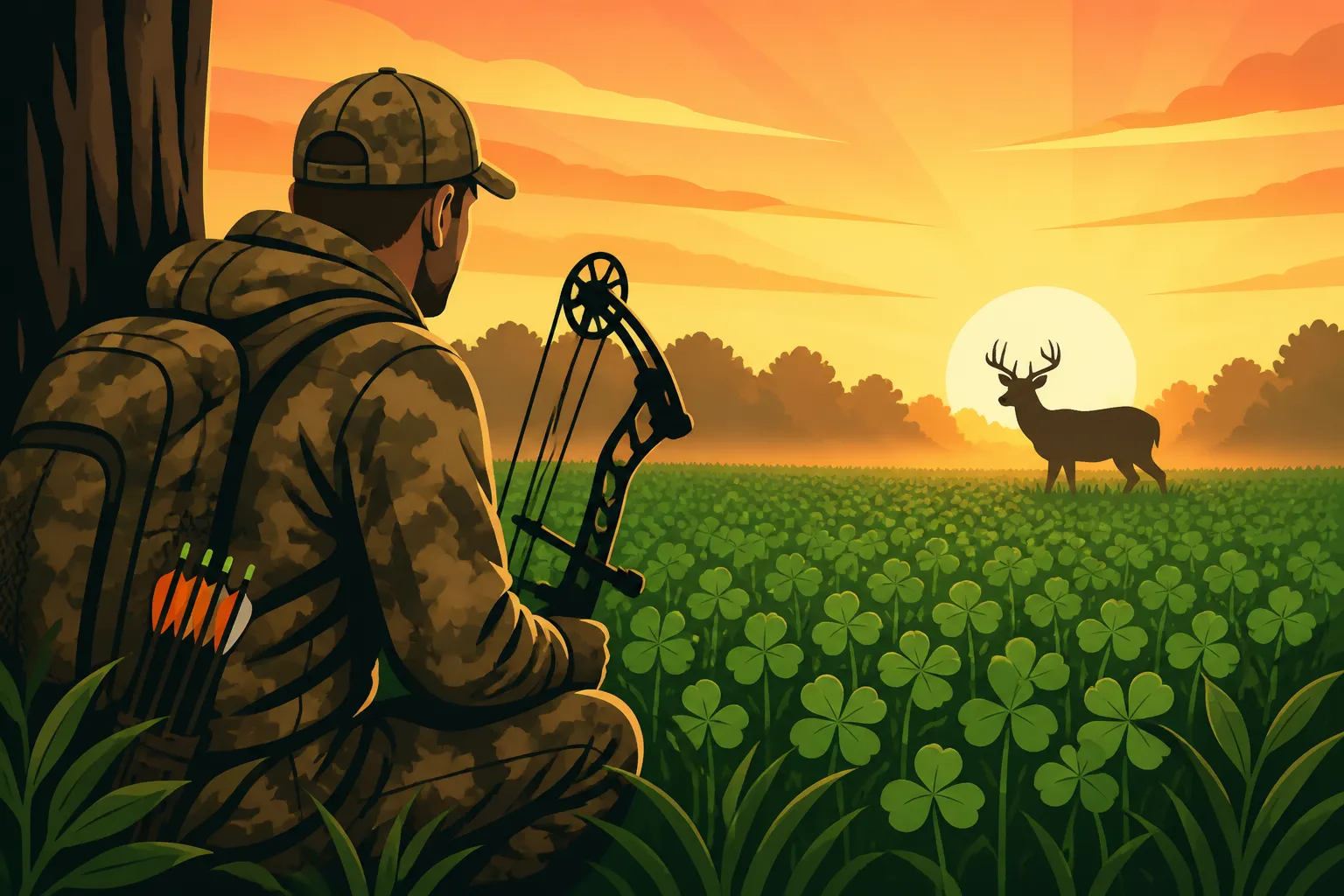
There’s nothing quite like that crisp pre-dawn air, the stars still clinging to the western sky, and the promise of a new day in the deer woods. But sometimes, despite the excitement, you might find yourself sitting over a beautiful clover plot as the sun peeks over the horizon, only to see nothing. It's frustrating when you know deer should be there, but they're just not showing up. This guide is all about helping you decode deer behavior around clover plots and strategize your first light hunts in Indiana for better success, turning those quiet mornings into memorable ones.
Understanding Clover Plots and Deer Behavior
Clover plots are absolute magnets for deer, especially here in Indiana. They’re essentially a high-quality buffet that deer can rely on when other food sources become scarce or less appealing. Knowing why deer love them, and how they use them throughout the day, is the first step in planning a successful dawn ambush.
The Allure of Clover for Whitetails
Deer aren’t just looking for calories; they’re looking for nutrition, and clover delivers. This isn't just a snack for them; it's a vital part of their diet, packed with protein and highly digestible. In the spring and summer, it provides critical nutrients for antler growth in bucks and lactation in does. As fall turns to winter, while acorns might be the dominant draw for a time, clover still offers a lush, green option when native browse starts to dry up and die off. This makes it a fantastic Late-Season Food Sources for Indiana Whitetails option, too, providing consistent forage even when other fields have been harvested or browsed out.
Different varieties of clover, like ladino or red clover, can also perform better in varying soil conditions and tolerate different levels of grazing pressure, extending the plot's appeal. The broad leaves and tender stems are easy for deer to consume quickly, meaning they can get a lot of nutritional bang for their buck without expending too much energy. This efficiency is a huge draw, and it makes these plots hotspots for activity, particularly during those crucial feeding windows.
Early Morning Movements and Feeding Patterns
Think about a deer's day. They've likely been browsing and moving under the cover of darkness, and as dawn approaches, they're looking for one last good meal before heading to their bedding areas for the day. This makes first light a prime time to catch them still on their feet, finishing up a meal in a clover plot or moving from the plot towards denser cover. Often, they’ll spend the last hour or two before full daylight feeding intensely, topping off their tanks.
The period just before and after official sunrise, often called the "golden hour" by hunters, is critical. Deer are most active during these crepuscular hours, and a clover plot acts as a final pit stop. They’re less likely to be pressured at this time compared to midday, and the low light conditions provide a natural sense of security. Observing these patterns, perhaps through a good mapping tool like GoHunt, can help you identify these primary feeding grounds and the nearby transition lines, like a Hunting a Funnel Between Two Woodlots, where deer will stage before moving into heavy cover.
Scouting and Planning Your First Light Clover Hunt
You can’t just walk up to any clover plot and expect success. The secret sauce is in the scouting and meticulous planning. Before you even think about setting foot in the woods with your bow or rifle, you need to understand precisely how deer are using that particular plot and what variables, like wind and thermal shifts, will affect your approach.
Pre-Season and In-Season Scouting for Clover Plots
Scouting is your most powerful tool. Start long before the season, or at least a few weeks out if you're targeting a specific plot. Trail cameras are your best friends here. Set them up on the edges of the clover plot, facing into the plot to capture activity, but also on the trails leading into and out of it. Look for patterns: when are the deer coming in? Which trails are they using most frequently? Are specific bucks or groups of does showing up consistently at first light? Tools like GoHunt can provide invaluable aerial views, helping you pinpoint potential camera locations and understand the surrounding terrain before you even step foot in the woods.
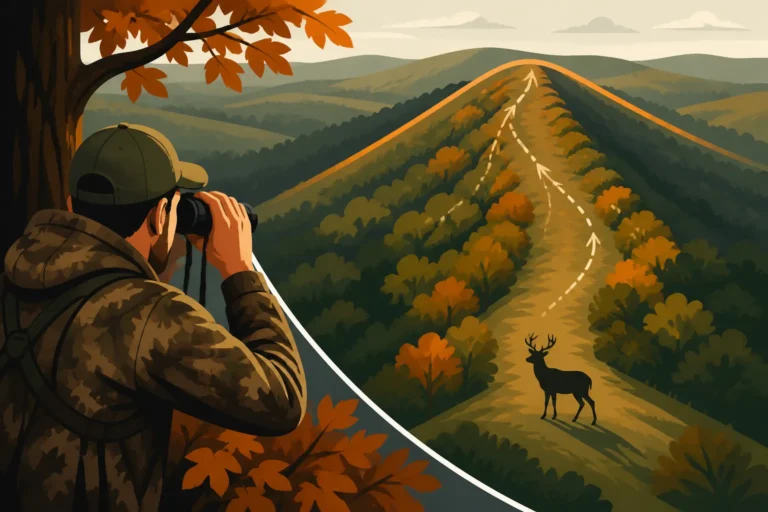
Beyond cameras, passive scouting is essential. Use good binoculars or a spotting scope from a distance, perhaps from a vehicle on a nearby road or a vantage point on a distant ridge, to watch the plot during those early morning hours without disturbing it. Look for fresh tracks around the plot's perimeter, obvious browse lines, and clusters of droppings, which are clear indicators of recent and consistent feeding. Scouting Indiana Public Land Before Season is crucial, but don't stop there; in-season intel is what truly puts you in the hot seat. You're looking for real-time information that tells you where and when to be.
The Critical Role of Wind and Thermals
This cannot be stressed enough: wind and thermals will make or break your first light hunt over a clover plot. As the sun rises and begins to warm the earth, thermals, which are air currents, start to lift. In the early morning, especially in hillier southern Indiana, thermals typically fall down into the valleys and draws. This means your scent will drift downwards. As the sun gets higher and warms the air, thermals will reverse and start to rise.
You need to plan your approach, stand location, and exit strategy to always keep your scent out of the deer's nose. If you plan to hunt a clover plot at first light, you need to approach from a direction that ensures your scent is either blowing away from where the deer are expected to enter or exit, or down into an area where deer aren't likely to be. If you're on a ridge, your morning approach might need to be from the top, allowing your scent to fall away from the plot until the thermals switch. Understanding Wind and Thermals on a Southern Indiana Ridge is vital, even if you’re hunting flatter farmland, as subtle shifts can still impact scent distribution. Always prioritize the wind above all else.
Strategic Setups for First Light Success
Once you’ve scouted and understood the deer movement and environmental factors, it’s time to pick your specific setup. This isn't just about hanging a stand; it's about creating a low-impact, high-reward hunting position that allows you to capitalize on those fleeting first-light opportunities.
Choosing the Perfect Stand Location
The ideal stand location for a first light clover plot hunt is often not directly on the plot, but rather on a well-used trail leading into or out of it, or a strategic position on the plot's edge that offers concealment. You want to be close enough for an ethical shot, but far enough away that deer don't detect your presence before they even set foot in the plot. Consider the sun's angle: you don't want to be backlit, making you an easy silhouette against the rising sun. Instead, aim to have the sun at your back, illuminating the deer in the plot while keeping you in shadow.
Look for natural cover: a thick oak, a cluster of pines, or a natural brush line along the plot's edge. Your stand should provide a clear shooting lane but also break up your outline. Think about nearby bedding areas too. If deer are using a certain corner of the plot as their pre-bedding feeding spot before heading into a nearby thicket, set up to intercept them along that route. For instance, if you’re hunting the Where Hoosier National Forest Bucks Bed, you'd want to position your stand between their bedding and the clover. Whether you're Hanging a Stand on a Southern Indiana Ridge or Setting Up on a Northern Indiana Field Edge, the principles of concealment and interception remain the same.
Key Stand Placement Factors for Clover Plots
| Factor | Ideal Placement Consideration | Why It Matters |
|---|---|---|
| Wind Direction | Downwind of anticipated deer travel/feeding areas. | Prevents deer from scenting you. Crucial for first-light success. |
| Sun Angle | Sun at your back, facing the plot. | Illuminates deer, keeps you silhouetted, prevents glare in your eyes. |
| Entry/Exit | Allows silent, scent-free approach and departure. | Avoids disturbing deer and leaving scent trails for future hunts. |
| Concealment | Natural cover (tree, brush), broken outline. | Breaks up your human form, makes you less detectable. |
| Shot Lanes | Clear lines of sight to primary feeding areas and trails. | Ensures ethical shot opportunities and maximizes visibility. |
| Distance | Close enough for ethical shot, far enough not to spook. | Balances shot opportunity with minimizing detection. |
| Nearby Cover | Between plot and known bedding or transition areas. | Intercepts deer as they move to or from cover after feeding. |
Stealthy Entry and Exit Routes
This is where many hunts go sideways. No matter how perfect your stand is, if your entry spooks deer, your hunt is over before it begins. You need to approach your stand in the dark, well before first light. This often means walking in an hour or more before sunrise. Use routes that offer maximum concealment and minimal noise. This might mean using a creek bottom, a logging road, or the edge of a thick fencerow. Avoid walking directly through the clover plot or across heavily used deer trails if possible.
Think about using topography to your advantage. If there's a slight rise or dip that can obscure your approach, use it. Wear quiet clothing, take small steps, and move slowly. By the time legal shooting light arrives, you should be settled, quiet, and ready. Your exit is just as important. Wait until deer have cleared the plot, or if you've harvested an animal, plan your retrieval to minimize disturbance to the area. For example, if your entry involves a long walk, consider strategies like those used for Entry Routes Through Standing Corn which prioritize quiet movement through existing cover.
Executing Your Clover Plot Hunt at Dawn
So, you've done your homework, picked your spot, and snuck in under the cloak of darkness. Now comes the exciting, and sometimes agonizing, part: the execution. This is where patience, observation, and readiness pay off.
Observing the Plot and Anticipating Movement
Once you're settled in your stand, become part of the woods. Listen. Pay attention to every sound – a twig snap, a rustle in the leaves, a distant cough. These are all clues. As the sky lightens, slowly and methodically scan the edges of the clover plot and the trails leading to it. This is where Optics for Southern Indiana Ridges can be useful, even if you're not on a ridge; good binoculars allow you to pick apart shadows and identify movement from a distance without moving your head too much.
Deer will often emerge from cover cautiously, pausing at the edge of the plot to scan for danger before committing to feed. They might come from unexpected directions, or they might already be in the plot when you arrive, especially if they've been there all night. If you spot deer already feeding, freeze. Let them settle. If they're moving towards you, let them come. The goal is to remain undetected until the shot opportunity presents itself. Remember to check around the plot for fresh Reading Indiana Mud for Fresh Deer Movement, as this can give you a last-minute clue about recent activity.
Ethical Shot Placement and Recovery
When a deer presents a shot, make sure you have enough light to clearly see your target and confidently make an ethical shot. Indiana law specifies legal shooting hours, so be sure to abide by those. Wait for the deer to be broadside or slightly quartering away, offering the best opportunity for a quick, clean kill. Pick a spot, focus on it, and execute your shot confidently.
After the shot, especially if the deer doesn't immediately drop, remain in your stand for at least 30 minutes to an hour. This gives the deer time to bed down and expire. Pushing a wounded deer too quickly can cause it to run further, making recovery much harder. Mark the spot where the deer was standing and where you last saw it, then begin your careful track. Look for blood, broken twigs, or disturbed leaves. If the trail is sparse, especially in wet conditions, take your time. Knowing how to effectively Tracking a Deer in Fresh Indiana Snow or even Blood Trailing After Dark in Indiana (with proper lighting and safety precautions) can be invaluable skills. Don't give up; every effort to recover an animal you've shot is part of being a responsible hunter.
Disclaimer
Hunting is an inherently dangerous activity. Always prioritize safety, understand and adhere to all local, state, and federal hunting regulations, and obtain proper licenses and permits. The information provided in this guide is for educational purposes only and should not replace professional instruction or local wildlife agency guidelines. Be aware of your surroundings and always know your target and what lies beyond it.