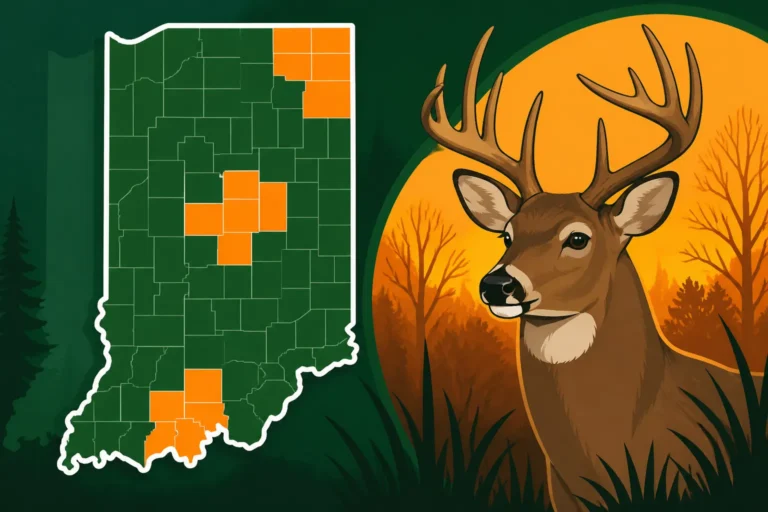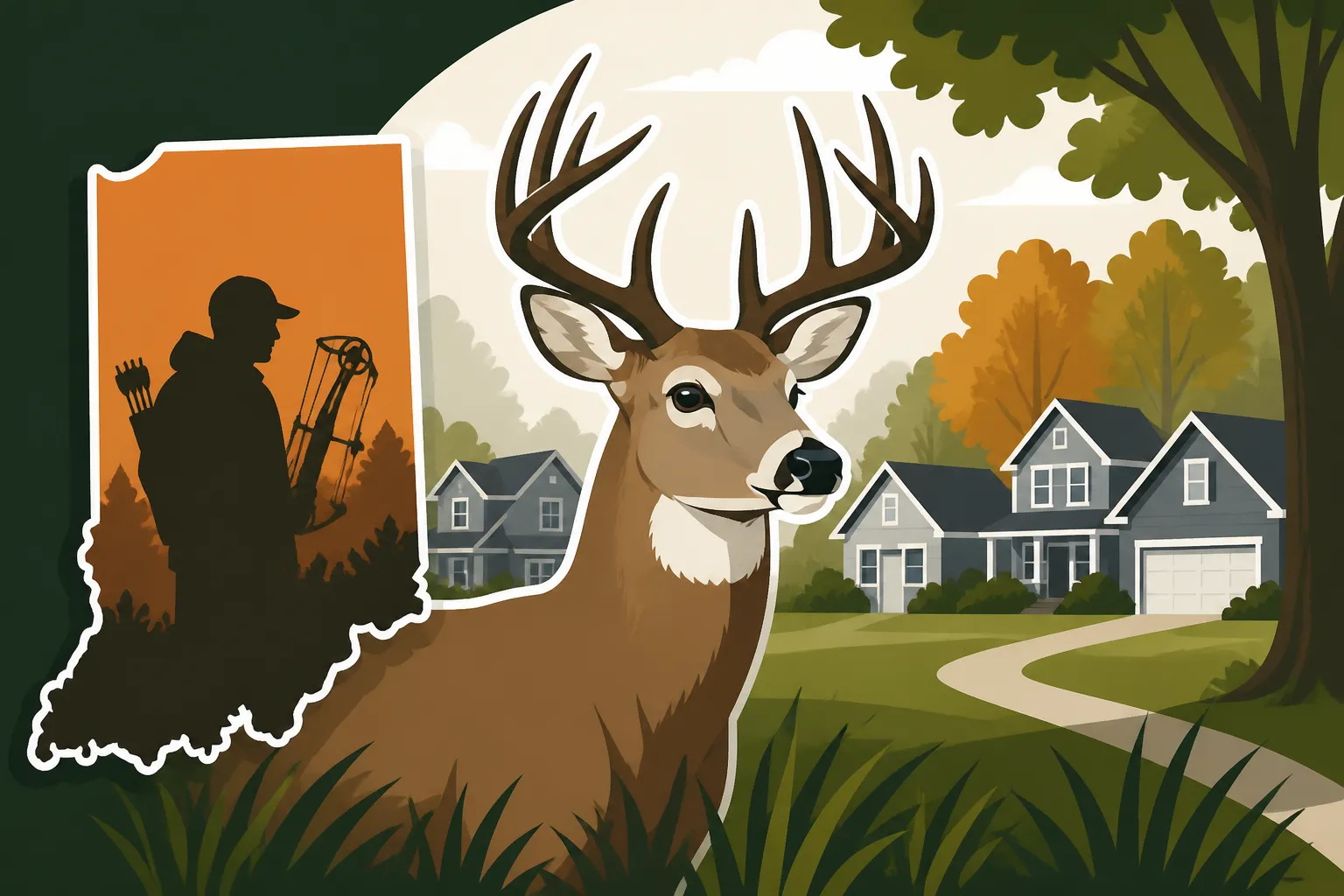
Indiana Suburban Deer Management Permits
The growing presence of deer in our suburban areas has become a real headache for homeowners and drivers alike. From nibbled landscaping to dangerous vehicle collisions, the challenges are undeniable. That's precisely why the Indiana Department of Natural Resources (DNR), in cooperation with local communities, offers Indiana Suburban Deer Management Permits – a targeted approach to balance deer populations with the needs of our neighborhoods. This guide will walk you through everything you need to know about these special permits, helping you understand how they work and how you can get involved responsibly.
Understanding Indiana's Suburban Deer Management Permits
It's a familiar sight across much of Indiana: deer, once thought of as creatures of the deep woods, now regularly grazing in backyards, crossing busy streets, and becoming an almost daily presence in residential areas. This shift isn't just charming; it presents significant challenges. These specialized permits are a direct response to those growing concerns, offering a crucial tool for communities struggling with overabundant deer.
Why These Permits Exist
Let's be honest, seeing a beautiful whitetail buck grazing in your flower bed can be a serene moment, but when that beauty translates to hundreds of dollars in damaged plants, or worse, a dented car and a trip to the emergency room, the charm quickly wears off. Many Hoosier communities face increasing deer populations that exceed what the local habitat can comfortably support, especially in areas where natural predators are scarce and development provides abundant food sources with minimal hunting pressure.
The core reasons these permits are enacted stem from:
- Property Damage: Deer absolutely love gardens, shrubs, and ornamental plants. Homeowners often face significant financial losses from deer browsing, which can destroy landscaping and even damage agricultural crops at the edge of town. This ongoing battle can be incredibly frustrating for those who work hard to maintain their property.
- Vehicle Collisions: As deer populations grow and expand into more densely populated areas, the risk of deer-vehicle collisions skyrockets. These accidents aren't just a nuisance; they can cause serious injury or even be fatal for drivers and passengers, not to mention the deer themselves. Our state sees thousands of these incidents annually, and suburban areas are often hotspots.
- Disease Concerns: While less common, an unchecked deer population can increase the potential for disease transmission, both among deer (like Chronic Wasting Disease, which Indiana is actively monitoring in areas like the CWD Positive Area) and, theoretically, to humans or livestock. Managing herd size is a proactive measure against these risks.
- Ecological Impact: Deer can significantly alter forest understories by over-browsing, impacting the regeneration of certain tree species and reducing biodiversity for other wildlife. In a suburban woodlot, this impact can be even more pronounced due to limited space.
These permits acknowledge that traditional hunting seasons often aren't sufficient or appropriate for addressing these specific issues within city limits or densely populated areas.
What They Are and How They Differ
Indiana Suburban Deer Management Permits aren't your typical deer tags. Instead, they are part of special, localized programs designed to reduce deer numbers in specific, often urban or suburban, settings where conventional hunting methods might be unsafe, impractical, or simply against local ordinances.
Here's how they generally work and what makes them unique:
- Antlerless Focus: The primary goal is herd reduction, which means these permits almost exclusively target antlerless deer (does and fawns). This focus directly impacts reproduction, which is the most effective way to manage population growth. While you might hold a regular Indiana Deer Season Structure Explained license that allows an antlered deer, these specific programs are about population control.
- Extended Seasons and Methods: These hunts often occur outside of the regular Indiana Archery Season Dates or firearms seasons, sometimes extending into late winter or early spring when deer are more concentrated and natural forage is scarce. Methods are typically restricted to archery or crossbows due to safety concerns in populated areas, though specific programs might have variations. For instance, Crossbow Rules During Indiana Archery Season apply, and sometimes special permissions are granted.
- Specific Zones: The permits are valid only within narrowly defined geographic boundaries, often designated by the local municipality that applied for the program. You can't just take one of these permits and hunt anywhere in the state; it's hyper-local.
- Strict Reporting Requirements: Because these are sensitive, managed hunts, harvest reporting is usually more stringent than for a regular season deer. Hunters may need to report to a specific local authority in addition to the standard Registering an Indiana Deer Online process, sometimes even bringing the carcass to a local check station.
Essentially, these permits are a surgical tool, applied precisely where and when needed, with strict controls to ensure safety and effectiveness in environments where public perception and safety are paramount.
The Role of Local Municipalities
These programs don't just spring up out of nowhere. They are the result of a deliberate, cooperative effort between the Indiana DNR and local units of government – towns, cities, or even county park departments. It’s the local authorities who recognize the problem and initiate the request for a deer management program.
The process typically involves:
- Assessing the Problem: The local municipality first identifies a significant deer overpopulation problem within its jurisdiction, often supported by data on deer-vehicle collisions, reported property damage, or resident complaints.
- Developing a Plan: They then work with the Indiana DNR to develop a comprehensive deer management plan. This plan outlines the proposed hunting methods (e.g., archery-only), the specific geographic boundaries, the desired number of deer to be removed, and the duration of the program.
- Obtaining DNR Approval: The DNR reviews these plans to ensure they align with state regulations, prioritize public safety, and are ecologically sound. Once approved, the local program is given the green light.
- Administering the Program: The municipality often takes on the responsibility of administering the hunt, which can include recruiting qualified hunters, managing access to properties (often requiring Do You Need Written Permission in Indiana? from landowners), and ensuring compliance with all local and state regulations. This might involve creating a list of approved hunters, coordinating hunt dates, and overseeing check-in procedures.
This local involvement is critical because it ensures that the unique dynamics of each community are considered, leading to tailor-made solutions rather than a one-size-fits-all approach.
Eligibility and Application Process for Hunters
So, you're an Indiana hunter, and you're thinking, "This sounds like a great way to help out and maybe fill my freezer, especially since I'm often Hunting Small Woodlots Near Suburban Indianapolis anyway!" You're right, it can be a fantastic opportunity. But getting involved in a suburban deer management program isn't quite as simple as buying a regular license. There are specific requirements and processes to follow, and rightly so, given the sensitive nature of hunting in residential areas.
Who Can Participate
The general requirements for participating in these specialized hunts are usually quite stringent, focusing heavily on safety, proficiency, and responsibility. It’s not just about having a hunting license; it’s about proving you’re the right kind of hunter for this unique environment.
- Valid Indiana Hunting License: This is a given. You'll need an active Indiana hunting license, and depending on the program, potentially a specific deer tag (though the permits themselves are often for antlerless deer). You can check out all the Indiana Hunting Licenses and What They Cost on the DNR website.
- Hunter Education: Most, if not all, of these programs will require proof of successful completion of an Indiana Hunter Education Requirements course. This ensures you understand firearms safety, ethical hunting practices, and game identification – all crucial skills when operating near homes and people.
- Archery Proficiency: Since many suburban hunts are archery-only, you might need to demonstrate proficiency with a bow or crossbow. This could involve an informal range test or simply signing an affidavit attesting to your skill level and confidence in making ethical, clean kills. The last thing anyone wants is a wounded deer wandering into someone’s backyard.
- Background Checks: Due to the proximity to residential areas, some municipalities might conduct background checks on potential participants to ensure they have no history of reckless behavior or violations. It's about maintaining public trust.
- Local Residency (Sometimes): While not universal, some programs might prioritize local residents or property owners who are experiencing the deer problems firsthand.
Always check the specific requirements for any program you're interested in, as they can vary significantly from one municipality to another.
Navigating the Application Process
The application process for these permits can be a bit different from your standard DNR license purchase. Since these are localized programs, the application often goes through the specific municipality or managing agency (like a park department) rather than directly through the state Go Outdoors Indiana portal.
Here’s a general idea of how you might find and apply for these opportunities:
- Stay Informed Locally: The best way to find out about these programs is to monitor local government websites, city park department announcements, or even local news outlets. Many communities will publicize their deer management hunt openings well in advance.
- DNR Resources: The Indiana DNR website is a great starting point. While they might not directly process applications for every local program, they often list active Suburban Deer Management Hunts or provide links to the responsible local agencies.
- Using Hunting Apps: Modern hunting tools can be incredibly useful. Platforms like GoHunt often aggregate information on various hunting opportunities, including special draws and managed hunts. While GoHunt is excellent for general scouting and understanding land boundaries, it can also be a valuable resource for discovering these less-publicized local programs. Using tools like Using the Indiana OnX and DNR Map Tools can also help identify specific public or managed lands where these hunts might occur.
- Direct Application: Once you find a program, you'll typically fill out a specific application form provided by the local agency. This might require personal details, proof of licenses, hunter education, and sometimes even a brief statement about your hunting experience and commitment to safety.
- Selection Process: Due to the popularity and limited nature of these hunts, participants are often selected through a lottery system or a qualification process. Don't be discouraged if you're not selected the first time; many hunters apply repeatedly.
The key is proactive research and a willingness to engage directly with the local authorities running these specialized hunts.
Understanding Specific Hunt Rules
Once you're approved for a suburban deer management hunt, you'll quickly realize that the rules are often much more detailed and restrictive than a regular season hunt. These aren't designed to be typical recreational hunts; they are tightly controlled operations with public safety and specific population goals in mind.
Expect these kinds of specific regulations:
- Method Restrictions: As mentioned, archery and crossbows are usually the only legal methods due to safety. Bow and Crossbow Setups for Indiana will need to be in top shape, and practice is essential. Shotguns with slugs or centerfire rifles, even with Indiana's new Indiana's New Statewide Rifle Rules, are almost universally prohibited in these sensitive areas.
- Designated Hunting Times: Hunts may be restricted to specific hours, often daylight only, and sometimes even to particular days of the week to minimize disturbance to residents.
- Access and Stand Locations: Hunters are typically assigned specific areas or properties and often require permission from individual landowners. There will likely be strict rules about how close you can set up to residences, roads, or property lines. Treestand Setups in Hoosier National Forest might be about strategic elevation, but here, it's about discrete placement.
- Mandatory Check-in/Check-out: To ensure accountability and track harvest data accurately, many programs require hunters to check in when entering their assigned area and check out when leaving, even if they didn't harvest a deer.
- Blaze Orange Requirements: Even for archery hunts, some programs might require blaze orange or Indiana Blaze Orange Requirements to enhance hunter visibility, especially if hunting near areas with other outdoor recreational users. This is a critical safety measure.
- Carcass Handling and Disposal: You'll likely receive specific instructions on how to handle a harvested deer, including immediate field dressing and removal from the property discreetly. This often includes guidance on Indiana Carcass Movement Restrictions if the area is near a CWD positive zone. Some programs may even have designated disposal sites or require the entire carcass to be presented for inspection.
- Antler Restrictions: Almost without exception, these hunts are for antlerless deer only. The goal is herd reduction, not trophy hunting.
Carefully reviewing and understanding every single rule provided by the administering agency is not just advisable, it's mandatory. Compliance ensures the program's success and preserves the privilege for future years.
Strategic Hunting Within Suburban Zones
Hunting in a suburban setting demands a completely different mindset and set of tactics than stalking game in the vastness of the Hoosier National Forest. The challenges are amplified, but so too can be the opportunities for success, provided you adapt. It's about being stealthy, respectful, and incredibly precise.
Adapting Tactics for Urban Environments
The typical hunting experience usually involves vast tracts of woods, open fields, and minimal human interaction. Suburban hunts, however, flip that script entirely. You’re dealing with fragmented cover, fences, roads, houses, pets, and people, people everywhere. This requires a significant tactical shift.
- Smaller Scale, Higher Detail: Forget about vast scouting expeditions. You'll be focusing on much smaller parcels – maybe just a few acres, or even a single large backyard with adequate cover. This means your scouting needs to be hyper-detailed, looking for subtle trails, pinch points, and bedding areas within these limited spaces.
- Utilizing Fragmented Cover: Deer in suburban areas often use small woodlots, thick fencerows, creek bottoms, and even overgrown landscaping for cover. Learning how they navigate these linear and patchy covers is crucial. Think of Hunting a Funnel Between Two Woodlots or Working a Cedar Thicket for Late-Season Deer – these concepts are even more pronounced in suburban habitats.
- Stealth and Low Impact: Noise is a huge factor. You can't crash through the woods like you might on a big public land tract. Slow, quiet movements are essential. Consider how your entry and exit routes will minimize disturbance to both deer and residents.
- Stand Placement for Precision: Shot opportunities will likely be close, and you absolutely must have a safe backdrop. Positioning your stand so that your arrow will impact the ground quickly after passing through the deer is non-negotiable. This might mean lower stand heights or specific angles you wouldn't typically consider in open timber.
- Understanding Deer Movement in Human-Modified Landscapes: Suburban deer are highly accustomed to human activity, but they also have predictable patterns around it. They'll often move more during low-light hours (dawn and dusk) and utilize the quietest routes, such as creek beds, drainage ditches, or the back sides of properties away from busy roads.
Success here isn't about covering ground; it's about understanding and exploiting the micro-movements of deer in a very confined and specific environment.
Safety and Ethical Considerations
In no other hunting scenario are safety and ethics more paramount than in a suburban deer management program. A single misstep can jeopardize the entire program, create negative public opinion, and potentially lead to serious consequences. Your behavior reflects on all hunters.
- Absolute Shot Certainty: This means waiting for the perfect, broadside shot at a distance you are absolutely confident in, with a clear line of sight and an ironclad backstop. Never, ever take a risky shot that could result in a wounded animal wandering off-property or an arrow going astray into a residential area. Your target is a deer, not a house or a pet.
- Responsible Backstop Assessment: Before you even nock an arrow, visualize the trajectory of your shot if it were to pass completely through the deer. Where would it go? Is there a hill, a thick wooded area, or enough distance to the next structure? Never take a shot where a missed arrow or pass-through could endanger a person, pet, or property.
- Respect for Private Property: Even if you have permission to hunt a specific parcel, be meticulously respectful of property lines. Straying onto un-permitted land, or even having your arrow land there, can cause significant issues. Remember the importance of Indiana Property Access Permit Requirement – in suburban areas, this often means specific, written permission from every landowner involved.
- Discrete Operations: Minimize your visibility as a hunter. Wear appropriate camouflage, avoid loud conversations, and if you harvest a deer, remove it as discreetly as possible, especially if neighbors are present. Field dressing should ideally happen out of public view, or the deer should be moved quickly to a more private location. You might even consider the "gutless method" to Butchering a Deer at Camp on-site to reduce visibility.
- Public Perception: Understand that not everyone in a suburban area will be supportive of hunting, even for deer management. Your professional, respectful, and ethical conduct is crucial to maintaining positive public perception and ensuring these programs can continue.
These aren't just rules; they are responsibilities that come with the privilege of hunting in these unique zones.
Maximizing Success in Limited Areas
Despite the constraints, suburban deer hunts can be incredibly productive for the diligent and adaptable hunter. Deer density in these areas is often higher than in typical rural settings, and they can become quite predictable once you understand their routine.
- Micro-Scouting: Walk every inch of your permitted area before the hunt. Look for subtle deer trails, rub lines, and scrapes, even if they seem small. Pay close attention to natural funnels, like narrow strips of woods between subdivisions, or crossings over small creeks. These smaller versions of patterns you might see when Scouting Indiana Public Land Before Season are key.
- Food Source Identification: Suburban deer often rely on different food sources than their rural counterparts. They'll still browse natural vegetation, but don't overlook ornamental shrubs, fruit trees, and even gardens (with permission, of course!). Identifying these preferred food sources will help you pinpoint feeding patterns.
- Trail Cameras (with permission): If allowed by the property owner, a strategically placed trail camera can be invaluable. It will help you understand exact deer movement times, their preferred trails, and how they react to human presence without actually being there. Just make sure you follow all rules for Trail Camera Rules on Indiana Public Land if hunting on public managed land within the suburban area.
- Wind and Thermals: Even in a suburban environment, wind direction and thermals play a critical role. Understanding how air currents move around houses, hills, and waterways is essential for remaining undetected. Think about Wind and Thermals on a Southern Indiana Ridge – the same principles apply, just on a smaller, more complex scale.
- Low-Impact Pressure: Avoid over-hunting any single spot. Deer in these areas are highly sensitive to pressure. Rotate your stand locations if possible, and ensure your entry and exit routes are always as stealthy as possible. The goal is to be a ghost in the urban landscape.
- Patience and Persistence: Opportunities might be few and far between, but when they present themselves, they often involve deer that are less wary than those constantly pressured in bigger woods. Be patient, stay alert, and capitalize on those fleeting moments. Tools like GoHunt may help you map out these limited areas, identifying potential pinch points and travel corridors that others might overlook.
By combining meticulous planning, unwavering safety, and a deep respect for the unique suburban environment, hunters can play a vital role in managing deer populations and enjoy a rewarding, albeit challenging, hunting experience.
Impact and Benefits of These Programs
The implementation of Indiana Suburban Deer Management Permits is not just about giving hunters a place to hunt; it's a critical component of community well-being. These programs yield tangible benefits that ripple through neighborhoods, local ecosystems, and even the perception of hunting itself.
Reducing Deer Conflicts
The most immediate and apparent benefit of these management programs is the direct reduction in conflicts between deer and humans. For communities plagued by overpopulation, these permits offer a structured, effective solution.
- Decreased Property Damage: When deer numbers are brought to a more sustainable level, the pressure on residential landscaping and gardens eases. Homeowners often report less damage to their plants, flowers, and shrubs, saving them money and frustration. This directly addresses the pain point that often initiates the call for these programs.
- Fewer Vehicle Collisions: By reducing the overall deer population within critical zones, the number of deer-vehicle collisions typically declines. This translates to safer roads for commuters, fewer insurance claims, and a reduction in injuries or fatalities associated with these accidents. This is a significant public safety achievement.
- Healthier Deer Herds: While it might seem counterintuitive, managing deer populations through hunting actually leads to healthier herds. Overpopulation can result in malnourished deer, increased stress, and a higher susceptibility to diseases like EHD. These programs help maintain a balanced deer density, ensuring remaining deer have adequate food and resources.
- Mitigating Disease Spread: In areas where diseases like Chronic Wasting Disease are a concern, active management can help slow the spread by reducing density and allowing for more extensive testing of harvested animals. Hunters involved in these programs are often required to participate in Indiana CWD Testing for Hunters, providing valuable data to the DNR.
These tangible outcomes demonstrate that suburban deer management permits are not just about hunting, but about fostering a healthier, safer coexistence between humans and wildlife in shared spaces.
Providing Hunting Opportunities
Beyond their ecological and safety benefits, these programs open up unique and valuable hunting opportunities, particularly for those who might not have easy access to expansive rural hunting grounds.
- Local Access for Urban/Suburban Hunters: For hunters living in or near metropolitan areas, finding accessible hunting land can be a real challenge. These permits provide local residents a chance to participate in deer management close to home, cutting down on travel time and expenses. It's a fantastic way to engage the local hunting community in conservation efforts.
- Extended Season Opportunities: As mentioned, these hunts often occur outside the regular Indiana Deer Season Structure Explained or in times when other seasons are closed. This extends the hunting calendar, offering more days afield and a greater chance to fill an antlerless tag, especially beneficial for families looking for venison.
- Focus on Antlerless Harvest: For hunters who prioritize meat for the freezer or want to contribute directly to herd management, the antlerless-only nature of these permits is a perfect fit. It removes the pressure of seeking a trophy and focuses purely on population control. Many hunters appreciate the chance to Filling an Antlerless Tag in a Reduction Zone through these programs.
- Community Involvement: Participating in these hunts often fosters a deeper connection to the local community and its conservation efforts. Hunters become direct contributors to solving a local problem, which can be incredibly rewarding. GoHunt users looking for specific types of hunts often find these programs through their detailed search filters, highlighting their value to the hunting community.
These programs acknowledge that hunting is not just a recreational activity but a vital tool for wildlife management, offering a unique avenue for hunters to contribute meaningfully.
Community Engagement and Perception
The success and continuation of suburban deer management programs heavily rely on community understanding, support, and careful management of public perception. It’s a delicate balance, and how these hunts are executed can make all the difference.
- Educating the Public: Many municipalities implement public education campaigns alongside their hunt programs. These efforts explain why the hunts are necessary, the scientific basis for deer management, and the safety measures in place. Transparency is key to gaining community buy-in.
- Controlled and Safe Operations: The emphasis on safety, ethical harvesting, and discreet operations (as discussed earlier) is paramount not just for practical reasons, but also for shaping public opinion. When hunts are conducted professionally and responsibly, public acceptance tends to be much higher.
- Addressing Concerns: Local agencies often establish channels for residents to voice concerns or ask questions. Actively listening and responding to community feedback helps build trust and demonstrates a commitment to responsible management. This can involve public meetings or designated contact persons.
- Positive Hunter-Community Interactions: When hunters in these programs act as respectful, responsible ambassadors for hunting, it can significantly improve the image of hunters within the broader community. This helps break down stereotypes and fosters a greater appreciation for the role hunters play in conservation.
Ultimately, these programs represent a modern approach to wildlife management, adapting traditional methods to contemporary challenges. They require thoughtful planning, stringent rules, and a cooperative spirit from hunters and communities alike to ensure a harmonious balance in our shared suburban landscapes.
Comparison of Standard Deer Tags vs. Suburban Management Permits
| Feature | Standard Indiana Deer Tag (e.g., Archery, Firearms) | Indiana Suburban Deer Management Permit |
|---|---|---|
| Purpose | General season harvest, recreation, population management. | Targeted population reduction in specific problem areas. |
| Target Species | Antlered and Antlerless deer (based on tag type and season). | Primarily antlerless deer (does and fawns). |
| Season Dates | Set statewide seasons (e.g., Indiana Firearms Season Dates). | Often extended or specific dates outside of regular statewide seasons. |
| Legal Methods | Archery, Crossbow, Shotgun, Rifle (statewide rules). | Typically Archery/Crossbow only; strict limits on other methods. |
| Hunting Area | Statewide public or private land (with permission). | Restricted to specific municipal/suburban boundaries (hyper-local). |
| Application Process | Purchase online/retailers. | Often special application through local municipality/DNR draw. |
| Hunter Requirements | Valid license, hunter education (if born after specific date). | Valid license, hunter education, often proficiency test, background check. |
| Harvest Reporting | Reporting a Deer Through Indiana's App, within 48 hours. | Standard DNR reporting + often additional local agency check-in/reporting. |
| Public Interaction | Generally low. | High; extreme emphasis on discretion, safety, and public perception. |
| Access Permission | General Getting Private Land Permission in Indiana, public land rules. | Specific, often written permission for individual parcels required. |
Disclaimer
The information provided in this guide is for general informational purposes only and does not constitute legal advice. Hunting regulations, permit requirements, and program availability are subject to change by the Indiana Department of Natural Resources (DNR) and local municipalities. Always consult the most current Indiana Hunting & Trapping Guide, the Indiana DNR website, and any specific rules provided by the local agency administering a suburban deer management program before participating. Hunters are responsible for understanding and adhering to all applicable laws and regulations.