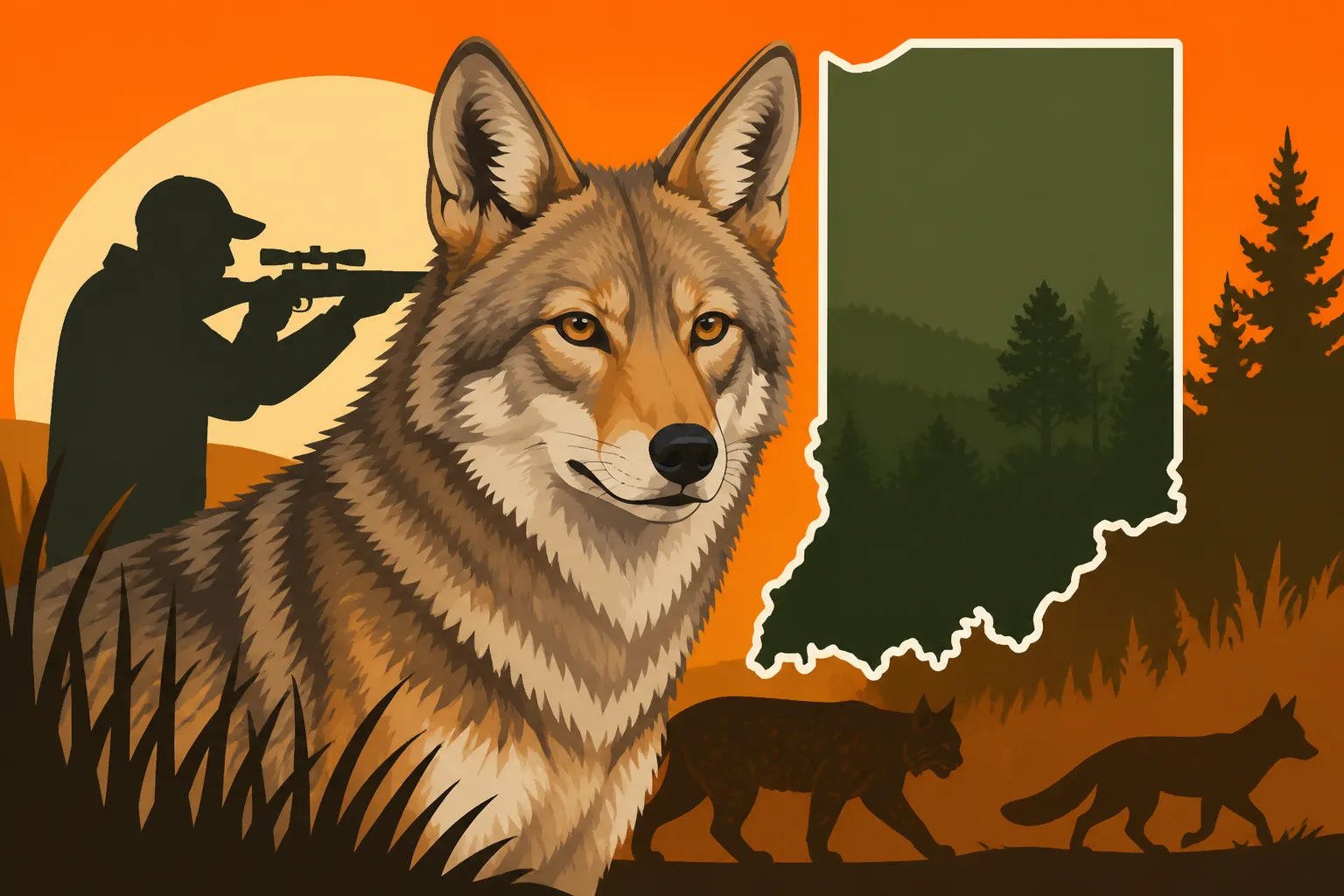
Coyotes and Predators in Indiana
It’s easy to feel a little unnerved when you hear those wild, eerie howls cutting through a quiet Indiana night, or you spot a shadowy figure slipping through the edge of a field during your morning drive. Our woods and farmlands are home to a diverse array of predators, and understanding their habits, their role in the ecosystem, and how to effectively manage them is crucial for both hunters and rural landowners alike. This guide dives deep into the world of Indiana's coyotes and other key predators, offering insights into their behavior, ecological impact, and the best strategies for hunting and coexisting with them.
Indiana's Shifting Predator Landscape
For many generations, the idea of significant predators roaming Indiana felt like a distant memory, largely confined to history books or wilderness areas far from the Hoosier State. Yet, over the last few decades, our predator landscape has undergone a remarkable transformation. Once extirpated, some species have returned, while others have expanded their range dramatically. This shift means that understanding and adapting to their presence is more important than ever for anyone who enjoys the outdoors or manages land here.
Historical Context and Predator Reintroduction/Spread
Historically, Indiana was home to a much broader array of predators, including wolves, cougars, and even bears. As European settlement expanded, forests were cleared, and bounties were placed on these animals, leading to their complete disappearance from the state by the late 19th or early 20th century. This left a void in the ecosystem, and for a long time, the white-tailed deer population, in particular, thrived with little natural checks outside of human hunting.
However, nature abhors a vacuum. The most significant story of predator return to Indiana is undoubtedly the coyote. These incredibly adaptable canids, native to western North America, began expanding their range eastward in the early 20th century, filling the ecological niche left by wolves. They first started showing up in Indiana in significant numbers in the 1970s and 80s, and today, they are found in every single county, from the dense woods of southern Indiana to the agricultural fields of the north. They are truly an incredible success story of adaptation, often thriving in fragmented habitats and even suburban areas. Beyond coyotes, we’ve also seen the remarkable recovery of species like the bobcat, which were once thought to be gone for good. This comeback is a testament to conservation efforts and the resilience of wildlife when given a chance.
The Ecological Niche of Predators in Indiana
Predators play a vital, if sometimes controversial, role in maintaining healthy ecosystems. They act as nature's clean-up crew, often preying on the weak, sick, or old, which helps to keep prey populations robust and disease-resistant. For instance, coyotes primarily target small mammals like rabbits and rodents, but they will also opportunistically take deer fawns, weak adult deer, or livestock. This predation can prevent overpopulation, which in turn reduces pressure on vegetation and helps prevent the spread of diseases like EHD or Chronic Wasting Disease (CWD) by removing infected individuals.
Think about it: without predators, an ecosystem can quickly become unbalanced. A deer herd without natural predators might overbrowse its habitat, leading to widespread malnutrition and a decline in overall health. While hunters certainly fill a crucial role in population control, predators provide a constant, year-round pressure that helps shape the behavior and genetics of prey species. Their presence also creates a more dynamic and engaging hunting experience, as deer and turkeys are more wary and responsive to their environment. It’s a delicate balance, and while it might sometimes feel like they’re competing with us for game, in the grand scheme, they’re contributing to the health of the very populations we love to pursue.
The Adaptable Coyote: Indiana's Most Prevalent Predator
When most Hoosiers think of "predators," the coyote is usually the first animal that comes to mind. And for good reason – these cunning canids have truly made Indiana their own. They are the ultimate opportunists, and their ability to thrive in diverse environments, from deep woods to suburban fringes, is nothing short of amazing. But what makes them tick, and how do they truly impact our beloved game species?
Coyote Behavior, Diet, and Social Structure
Coyotes are incredibly intelligent and adaptable animals. While often perceived as solitary, they can operate in loose family groups or small packs, especially during winter or when raising pups. These packs, however, are rarely as large or organized as wolf packs. Typically, you'll find a breeding pair and their offspring, with older siblings sometimes staying to help raise new litters before dispersing. They are primarily nocturnal or crepuscular (active at dawn and dusk), but it's not uncommon to see them out and about during the day, particularly if food is scarce or they're hunting.
Their diet is remarkably varied, which is a key to their success. While they are carnivores, they are not picky eaters. Rabbits, mice, voles, and other small rodents make up the bulk of their diet. They'll also readily consume insects, fruits, berries, and carrion – which means they often clean up roadkill or the remains of hunter-harvested deer. When it comes to larger prey, coyotes are opportunistic predators. They will prey on deer fawns, especially in the spring, and can take weak or injured adult deer. However, healthy adult deer are generally too fast and powerful for a single coyote, so larger deer are usually taken by multiple coyotes or when the deer is already compromised. Knowing their preferred prey helps us understand their movements and how they interact with other wildlife in an area.
Coyote Range and Population Dynamics Across Indiana
As mentioned, coyotes are ubiquitous in Indiana, present in all 92 counties. Their population exploded across the state during the late 20th century, largely unhindered by natural predators or widespread human control efforts. Today, their numbers seem to have stabilized in many areas, though local populations can fluctuate based on prey availability, habitat, and human pressure.
You'll find them just about anywhere there's cover and food. In northern Indiana, they thrive in the mosaic of farmlands, small woodlots, and fencerows, preying on rabbits and rodents that flourish in these agricultural settings. Down south, in the more rugged terrain of the Hoosier National Forest or our state forests, they utilize the dense timber and creek bottoms. Even near urban areas, coyotes have adapted, using green spaces, parks, and even suburban backyards as hunting grounds. Understanding Indiana Coyote Range and Density is crucial for anyone looking to hunt them effectively or simply understand their local presence. Their ability to adapt to human encroachment is truly remarkable, sometimes making them a nuisance in residential areas, which we'll discuss later.
Understanding Coyote Vocalizations and Communication
One of the most defining characteristics of coyotes, and often the first indication of their presence, is their distinct vocalizations. The chorus of yips, howls, and barks echoing through a moonlit valley or across a frosty field is an iconic sound of the Indiana wilderness. But these aren't just random noises; they're a complex form of communication.
Coyotes use various calls for different purposes. A single, drawn-out howl might be a lone coyote announcing its presence or trying to locate other members of its pack. A series of short barks followed by yips often indicates excitement, perhaps when a pack has gathered or located prey. The famous "group howl" or "chorus howl" is often misinterpreted as a large pack, but it's typically a few coyotes vocalizing together, creating a cacophony that makes them sound like many more animals than there actually are. Pups in the den will emit high-pitched yelps. Understanding these sounds is key for hunters employing Coyote Calling in Indiana Farm Country or Predator Calling Southern Indiana Ridgelines, as mimicking these calls can be incredibly effective in luring them in. It also helps you differentiate between a curious lone coyote and a larger pack communicating across a vast landscape.
Elusive Furbearers: Bobcats, Foxes, and Other Opportunists
While coyotes might dominate the conversation, Indiana is home to several other fascinating and impactful predators. Some are making a comeback, others are common but often unseen, and all play their unique part in the natural world. Knowing these species helps paint a complete picture of our state's predator dynamics.
Indiana's Recovering Bobcat Population and Habits
The bobcat is arguably one of Indiana's most exciting conservation success stories. Once extirpated from the state by the late 1800s, these beautiful and elusive felines began to reappear in southern Indiana in the 1980s. Thanks to habitat recovery, reduced persecution, and potentially natural range expansion from neighboring states, their population has steadily grown. The Indiana Department of Natural Resources (DNR) now considers them a rebounding species, and while still protected from hunting and trapping, their presence is a clear indicator of improving ecosystem health.
Bobcats are highly secretive, preferring dense cover like thick woods, brushy areas, and rocky outcrops, particularly in southern Indiana's hill country. They are primarily nocturnal, making sightings rare, even in areas where their population is healthy. Their diet consists mostly of rabbits, squirrels, and other small mammals, but they will occasionally take birds or even fawns. Their impact on game species like deer and turkey is generally considered minimal compared to coyotes, largely due to their smaller numbers and more specialized hunting style. If you're fortunate enough to spot one, it's usually a fleeting glimpse of a truly wild creature. Knowing Where Indiana Bobcats Are Rebounding can help you understand where to potentially encounter these magnificent animals, often while pursuing other game.
Red and Gray Foxes: Masters of Cover
Foxes are another common, yet often underestimated, predator in Indiana. We have two primary species: the red fox and the gray fox. While both are canids, they occupy slightly different niches and have distinct habits.
Red foxes are perhaps the more recognizable, known for their striking reddish-orange fur, white-tipped tail, and cunning intelligence. They prefer open country, agricultural fields, and the edges of woodlands, where they primarily hunt rabbits, rodents, and birds. They are incredibly agile and have a keen sense of hearing, allowing them to pinpoint prey moving under snow or dense vegetation. Their presence is often welcomed by farmers for rodent control, but they can also pose a threat to poultry.
Gray foxes, on the other hand, are smaller, with grizzled gray fur and a black-tipped tail. What truly sets them apart is their unique ability to climb trees, a trait almost unheard of in other canids. This arboreal skill allows them to escape predators (like coyotes, who often displace red foxes), forage for bird nests, or even take refuge in dens located high off the ground. They prefer denser woodlands and brushy areas than their red cousins. Both fox species are managed as furbearers in Indiana, with regulated hunting and trapping seasons, though their populations fluctuate and can be impacted by coyote numbers.
Other Mammalian Predators: Raccoons, Opossums, and Skunks
While not typically thought of in the same league as coyotes or bobcats, several other common mammalian species play a significant predatory role, particularly when it comes to smaller game. Raccoons, opossums, and skunks are all opportunistic feeders, and while their diets are incredibly varied, they certainly aren't above preying on eggs or young birds.
Raccoons are perhaps the most notorious for their impact on ground-nesting birds, especially wild turkeys. They are highly intelligent, agile, and possess incredibly dexterous paws, making them adept at locating and raiding turkey nests. A single raccoon can wipe out an entire clutch of turkey eggs in one night. They also prey on young poults. Opossums, America's only marsupial, are also common nest predators. While often slow-moving, their keen sense of smell helps them locate nests, and they'll readily consume eggs and vulnerable young. Skunks, known for their defensive spray, are also opportunistic omnivores and will raid nests if given the chance.
These smaller predators contribute to the overall pressure on game species, particularly during nesting and brood-rearing seasons. While their individual impact might seem minor, their sheer abundance in many parts of Indiana means their collective effect can be substantial on local turkey and pheasant populations. For hunters focused on habitat improvement for these game birds, managing populations of raccoons and opossums can be a tangible step.
The Complex Impact of Predators on Indiana's Game Species
The presence of predators in Indiana naturally sparks conversation and sometimes concern among hunters and wildlife enthusiasts. It's a complex topic with many angles, from the direct impact on fawn and poult survival to broader ecological debates about predator control. Understanding these dynamics is essential for informed management and realistic expectations when afield.
Predation on Deer Fawns and Turkey Poults
One of the most significant and often discussed impacts of predators in Indiana is their effect on the survival rates of deer fawns and turkey poults. For white-tailed deer, the first few weeks of a fawn's life are incredibly perilous, and predation, primarily by coyotes, is a leading cause of mortality. Fawns are born relatively defenseless, relying on camouflage and remaining still to avoid detection. However, their scent can be a beacon for keen-nosed coyotes, especially when does leave them hidden while they forage. Studies, including some done in the Midwest, have shown that coyote predation can account for a significant percentage of fawn mortality, particularly in areas with high coyote densities. This phenomenon contributes to Indiana Predator Impact on Fawn Recruitment, which in turn affects the overall deer population growth and structure.
Similarly, wild turkey poults are extremely vulnerable during their first few weeks after hatching. Ground-nesting hens are susceptible to nest predation by raccoons, opossums, and skunks, as well as coyotes. Once hatched, the small, flightless poults are easy targets for a variety of predators, including coyotes, foxes, raptors, and even snakes. A hen might start with a brood of a dozen poults, but it's common for only a few to survive to adulthood due to predation, disease, and weather. This pressure on turkey poults is a major factor in Indiana Turkey Population Trends, especially in regions where nesting habitat is fragmented or predator numbers are high.
Effects on Small Game Populations
It's not just deer and turkeys that feel the pressure from Indiana's predators. Our state's small game species, like rabbits, squirrels, and pheasants, are also a staple in many predator diets. Coyotes and foxes are incredibly efficient at hunting rabbits and rodents, and this constant pressure can certainly keep local small game populations in check. A healthy rabbit population, for instance, provides a consistent food source for predators, and fluctuations in one can directly impact the other.
For pheasants, which are largely a stocked species in Indiana, predation can be a limiting factor in areas where they attempt to establish wild populations. Like turkeys, pheasants are ground-nesting birds, and their nests and young are vulnerable to the same array of mammalian and avian predators. While the Indiana DNR actively manages and stocks pheasants in certain areas, the natural predatory landscape means that wild populations struggle to gain a foothold in many regions without sufficient dense cover for nesting and escape. Understanding these predator-prey relationships is critical for hunters interested in Squirrel and Small Game Hunting in Indiana and contributes to the long-term health of these populations.
Debating Predator Control and Game Management
The topic of predator control often sparks heated debate among hunters, wildlife managers, and the general public. On one side, many hunters believe that reducing predator numbers, particularly coyotes, would directly lead to an increase in deer and turkey populations, offering more hunting opportunities. It's a natural conclusion to draw when you see evidence of predation.
However, the science behind predator control is complex. While targeted removal can sometimes provide short-term, localized boosts to game populations, especially for fawns or poults, broad-scale, long-term predator eradication efforts are rarely effective or sustainable. Coyotes, for example, have an amazing ability to compensate for losses through increased litter sizes and higher survival rates when population density decreases. This means that intensive control efforts often become a continuous, expensive, and ultimately futile endeavor. Wildlife managers often emphasize habitat improvement as a more effective and sustainable strategy. Providing more and better fawning cover for deer or nesting cover for turkeys can significantly increase survival rates by giving young animals more places to hide from predators. The goal is often not to eliminate predators, but to maintain a healthy balance where all species can thrive.
Strategic Hunting and Trapping for Predator Management
For many hunters and landowners, actively managing predator populations isn't just about recreation; it's a practical step to protect livestock, reduce nuisance interactions, or potentially benefit game species. Fortunately, Indiana offers year-round opportunities for some predators and regulated seasons for others, providing ample avenues for those interested in getting involved.
Legal Seasons and Regulations for Indiana Predators
Understanding the legal framework for hunting and trapping predators in Indiana is your first and most important step. For coyotes, the rules are quite straightforward: they are considered a nuisance animal in Indiana and can be hunted and trapped year-round, with no bag limits. This flexibility allows for opportunistic hunting whenever you encounter them. Foxes (red and gray) and raccoons are classified as furbearers, meaning they have specific, regulated hunting and trapping seasons, typically during the fall and winter months. Opossums and skunks also fall under furbearer regulations. Bobcats, as a recovering species, are currently protected and cannot be legally hunted or trapped in Indiana.
It’s absolutely critical to always check the most current Indiana Hunting & Trapping Guide published by the Indiana DNR before heading afield, as regulations can change. You'll need the appropriate hunting or trapping licenses, and remember that when hunting on private land, you must have permission from the landowner. For public lands, specific rules may apply to hunting methods, especially concerning night hunting or the use of certain types of gear. If you're new to this, remember that Indiana Hunter Education Requirements apply to most hunters, and it’s a great way to learn about ethical practices and regulations.
Here's a quick overview of common Indiana predator seasons:
| Species | Hunting Season | Trapping Season | Bag Limit | Notes |
|---|---|---|---|---|
| Coyote | Year-round | Year-round | No limit | Can be hunted day/night (with legal methods). |
| Red Fox | Mid-October to Mid-March | Mid-October to Mid-March | No limit | Requires furbearer license. |
| Gray Fox | Mid-October to Mid-March | Mid-October to Mid-March | No limit | Requires furbearer license. |
| Raccoon | Mid-October to Mid-March | Mid-October to Mid-March | No limit | Popular furbearer, often hunted at night with dogs. |
| Opossum | Mid-October to Mid-March | Mid-October to Mid-March | No limit | Often taken incidentally with raccoons/foxes. |
| Skunk | Mid-October to Mid-March | Mid-October to Mid-March | No limit | Less common target, but still a regulated furbearer. |
| Bobcat | No Open Season | No Open Season | Protected | Sightings should be reported to DNR. |
Note: Seasons are approximate and vary slightly year to year. Always consult the current Indiana DNR Hunting & Trapping Guide for exact dates and detailed regulations.
Effective Hunting Tactics: Calling, Scouting, and Equipment
Hunting predators, especially coyotes, can be an exhilarating and challenging endeavor. It requires patience, stealth, and a good understanding of their behavior. One of the most effective tactics is calling. Coyotes are incredibly curious and territorial, responding well to various vocalizations. Distress calls, mimicking a rabbit in distress or a bird in trouble, are often highly effective as they appeal to a coyote's hunger instinct. Howling, especially pup distress howls or challenge howls, can attract dominant coyotes looking to investigate rivals. Electronic calls offer a wide range of realistic sounds and are often preferred for their versatility. For specific techniques, check out guides like Coyote Calling in Indiana Farm Country.
Scouting is just as important for predator hunting as it is for deer. Look for tracks, scat, and areas with high prey concentrations. Field edges, creek bottoms, pinch points, and dense cover are all prime locations. Using mapping tools like GoHunt can help you identify potential travel corridors, denning areas, and remote pockets of public land where predators might feel less pressure. Knowing Scouting Indiana Public Land Before Season principles apply just as well to predator hunting.
As for equipment, a reliable rifle chambered in a flat-shooting caliber like .223 Remington or .22-250 is popular for coyotes, offering precision at range. Shotguns with buckshot or heavy loads are excellent for close-quarters opportunities in thick cover. Binoculars and a good rangefinder are crucial for spotting and identifying targets, especially in low light. For night hunting, which is legal for coyotes, specialized equipment like thermal scopes or night vision devices, combined with legal lights, can be a game-changer. Just be sure you understand and adhere to Night Hunting Rules for Indiana Coyotes. Remember to always prioritize safety, especially when hunting at night or on public lands.
Trapping Methods and Ethical Considerations
Trapping is another highly effective method for managing predator populations, especially for furbearers like fox and raccoon, but also for coyotes. It requires a different skillset than hunting, involving an intimate knowledge of animal behavior, trap placement, and ethical handling.
For coyotes and foxes, common trap types include foothold traps (often referred to as leg-holds) and snares. Footholds are placed strategically in travel ways or near bait, designed to hold the animal humanely until the trapper can dispatch or release it. Snares are cable devices set to capture an animal around the neck or body, designed to kill quickly and humanely when set correctly. For raccoons, cage traps or dog-proof traps are also very popular and effective, especially in areas where non-target species might be a concern.
Regardless of the method, ethical trapping practices are paramount. This includes proper trap setting to ensure a quick and humane capture, frequent trap checks (usually within 24 hours in Indiana), and dispatching animals humanely. Trapping also requires a specific trapping license in Indiana, and aspiring trappers often benefit greatly from mentorship or formal training programs. Resources like Trapping Indiana Furbearers and Running a Trapline in Rural Indiana offer detailed insights into the methods and best practices required to trap responsibly and effectively. Always remember that trapping is a responsibility, and ethical considerations ensure the welfare of the animals and the public perception of the sport.
Coexisting with Indiana's Predators: Practical Advice
While the thrill of the hunt is a powerful draw for many, living alongside predators also means understanding how to minimize potential conflicts. As humans continue to expand into natural habitats, encounters with coyotes, foxes, and other wild animals become more common. Knowing how to protect your property, pets, and livestock can make a significant difference in fostering a more peaceful coexistence.
Protecting Pets and Livestock from Predation
One of the most common concerns regarding predators, especially coyotes and foxes, is their potential threat to domestic animals. Small pets like cats and small dogs can be seen as prey, particularly if allowed to roam freely, especially at night. Larger dogs, while generally safe from direct predation, can still be involved in territorial disputes with coyotes, which can lead to injuries.
To protect your pets, the best advice is to keep them supervised and contained. Don't let dogs and cats roam freely, particularly after dark. Use leashes when walking them, even in seemingly safe areas. Install secure fencing that coyotes cannot easily dig under or jump over. For livestock, particularly chickens, goats, or sheep, robust predator-proof fencing is essential. Electric fencing can be very effective. Consider housing smaller, vulnerable livestock in secure enclosures or barns overnight. Livestock guardian animals, such as certain breeds of dogs (e.g., Great Pyrenees), llamas, or donkeys, can also be highly effective deterrents for coyotes and foxes. Their mere presence often makes predators look for an easier meal elsewhere.
Securing Your Property and Minimizing Attractants
Predators are often drawn to human habitations by the promise of an easy meal. Minimizing these attractants is crucial for reducing unwanted visits. This means being diligent about managing your property.
First and foremost, secure your trash. Use sturdy, predator-proof garbage cans with tight-fitting lids. Don't leave pet food or water bowls out overnight, as these can attract not just predators but also their prey, like rodents, creating a buffet line. If you feed birds, consider bringing feeders in at night or choosing feeder types that don't spill large amounts of seed onto the ground, which can attract rodents and, in turn, predators. Compost piles should be properly managed and contained. Pick up fallen fruit from trees, as fermenting fruit can attract various animals. Even something as simple as clearing dense brush or overgrown areas around your home can make your property less appealing as cover for coyotes and foxes. By removing easy food sources and minimizing hiding spots, you make your property less attractive and reduce the likelihood of close encounters.
Understanding Their Role in the Ecosystem
Beyond the practical steps of protection, a deeper understanding of predators' ecological role can help foster a more balanced perspective. While it's easy to view them as pests or competitors, they are an integral part of a healthy ecosystem. They help control populations of rodents and rabbits, which can impact agricultural crops or spread disease. They also prey on sick or weak animals, helping to keep Indiana Deer Population Estimate and Indiana Turkey Population Trends healthier in the long run.
By understanding that coyotes, foxes, and other predators are simply trying to survive, we can move beyond fear and toward informed coexistence. Their presence is a sign that our natural areas, even fragmented ones, are still capable of supporting a diverse range of wildlife. This perspective doesn't negate the need for responsible management or protective measures, but it frames those actions within a broader appreciation for the natural world.
Observing and Reporting Indiana's Wildlife
Being observant in the field isn't just for hunters pursuing game; it's a vital part of understanding and managing all wildlife, including predators. Your observations can provide valuable data to wildlife biologists and help address specific concerns.
When and How to Report Predator Sightings
The Indiana DNR relies on public reports to track wildlife populations, especially for less common or recovering species like bobcats, or to monitor the spread of diseases. If you encounter a bobcat, while rare, it's a significant sighting. You can report these observations directly to the DNR through their website or by contacting your local district biologist. This data helps them monitor their recovery and distribution.
For common predators like coyotes and foxes, casual sightings don't typically need to be reported unless the animal is exhibiting unusual behavior or posing a direct threat. However, if you're dealing with a persistent nuisance coyote in a residential area, or if you observe a predator that appears injured, sick, or aggressive, then a report to the DNR or local animal control is warranted. Provide as much detail as possible: the date, time, location (GPS coordinates if you have them, or a clear address), type of animal, and a description of its behavior. This information is crucial for wildlife officials to respond appropriately. Tools like OnX or GoHunt can help you quickly pinpoint and record exact locations for reporting.
Addressing Sick or Injured Wildlife Concerns
Witnessing a sick or injured animal, particularly a predator, can be distressing. It's important to remember that wildlife diseases are a natural part of ecosystems, and sometimes injured animals are simply part of the cycle of nature. However, certain situations warrant reporting.
If you observe an animal, especially a coyote or fox, displaying signs of illness such as extreme lethargy, disorientation, walking in circles, paralysis, severe hair loss (mange), or aggression towards humans without provocation, it's critical to report it. These symptoms could indicate diseases like rabies, distemper, or mange, which can be dangerous to humans, pets, and other wildlife. Do not approach or attempt to help the animal yourself. Contact the Indiana DNR or your local animal control immediately. They have the expertise and resources to assess the situation safely. Understanding Reporting a Sick Animal in Indiana is a vital responsibility for any outdoors person. Your quick and responsible action can help prevent the spread of disease and protect both wildlife and human communities.
Disclaimer
The information provided in this guide is for general informational purposes only and is not intended as legal advice. Hunting and trapping regulations in Indiana are subject to change. Always consult the most current Indiana Department of Natural Resources (DNR) hunting and trapping guides and local ordinances before engaging in any hunting or trapping activities. Adherence to all applicable laws and safety guidelines is the sole responsibility of the individual.