How Indiana DNR Counts the Deer Herd
Have you ever sat around the deer camp fire, looked at the past season's harvest numbers, and wondered, "How in the world does the Indiana DNR actually figure out how many deer we have?" It's a question many of us ask, especially when our own experiences in the woods might seem to contradict the official reports. It can be frustrating when you feel like the deer numbers are down, but the state data suggests otherwise, or vice-versa. Understanding how these estimates are made pulls back the curtain on deer management and helps us appreciate the complexity of balancing wildlife populations with public expectations and habitat health. This guide will walk you through the various methods and data points the Indiana DNR uses to estimate the size and health of our state's whitetail herd, giving you a clearer picture of the science behind the season.
The Challenge of Counting Ghosts: Why Estimating Deer is So Tricky
Let's be real, counting deer isn't like counting cattle in a pasture. Deer are wild animals, constantly on the move, often nocturnal, and incredibly adept at hiding in the varied terrain across Indiana, from the dense hardwoods of the Hoosier National Forest to the sprawling farmlands of the north. They don't stand still for a headcount! This inherent elusiveness means wildlife biologists can't simply go out and tally every single deer. Instead, they rely on a combination of scientific sampling methods, data collection, and mathematical models to arrive at what are truly estimates of the population.
This isn't just about knowing "how many." The DNR needs to understand population trends, herd health, age structure, and fawn recruitment. Are deer numbers increasing or decreasing in certain areas? Are bucks getting older, or is harvest pressure too high on young deer? Is the fawn crop strong enough to replace harvested animals and natural mortality? These questions are far more complex than a simple number, and they require a multi-faceted approach to gather enough reliable information to make informed management decisions. It’s a bit like trying to solve a giant, living puzzle where the pieces keep moving!
Why "Counting" is Actually "Estimating"
When we talk about the Indiana DNR "counting" deer, it's really a misnomer. They are performing sophisticated estimations. A true count would involve an impossible task of locating and identifying every single deer, which just isn't feasible with a free-ranging, wild population. Instead, wildlife managers employ a suite of techniques designed to provide statistically sound indices of population change and density. These indices, when combined, paint a picture of the herd's status and trajectory over time. It’s crucial to understand this distinction because it explains why the numbers aren't always exact, but rather represent the best scientific approximations available.
For example, a sudden increase in deer-vehicle collisions might indicate a rising population in an urbanizing area, even if direct observation methods are difficult. Similarly, harvest data can reveal regional trends that ground surveys might miss. Each piece of data contributes to a larger, more comprehensive understanding. It's about looking at the puzzle from multiple angles to get the most accurate image possible.
The Importance of Long-Term Data Collection
One year's data, while interesting, tells only a fraction of the story. The real power in deer herd management comes from consistent, long-term data collection. By comparing data year after year, biologists can identify trends, understand the impact of various factors like severe winters, EHD outbreaks, or changes in hunting regulations, and predict future population movements. This historical perspective is invaluable. For instance, knowing that fawn survival was low for three consecutive years in a particular region helps explain a subsequent dip in the buck harvest two or three years later.
Without this consistent, systematic approach, management decisions would be based on anecdotal evidence, which can be highly misleading. Hunters, for instance, might perceive a deer shortage in a particular woodlot due to a shift in food sources, while the overall regional population remains stable or even increases. This is why the DNR's commitment to continuous data gathering, even if it feels distant to the individual hunter, is so vital. It helps to contextualize localized observations within a broader ecological framework.
The DNR's Toolkit: Methods for Estimating Deer Populations
The Indiana DNR utilizes a variety of methods, each designed to capture different aspects of the deer population. No single method is perfect, so combining them provides a more robust and accurate picture. Think of it as building a case with many pieces of evidence rather than relying on a single witness.
Hunter Harvest Reports
Perhaps the most direct and widely available source of information comes from hunter harvest data. When you legally harvest a deer in Indiana, you are required to report it to the DNR. This data is absolutely crucial. Each reported deer, with its location, sex, and date of harvest, feeds directly into the DNR's population models.
The information collected includes:
- Harvest Location: This helps track deer density and harvest pressure by county or even smaller management units.
- Sex of the Deer: The buck-to-doe ratio in the harvest provides insight into the overall sex ratio of the herd.
- Date of Harvest: Helps biologists understand harvest timing and hunter effort throughout the various seasons, from the earliest When Indiana's Archery Season Opens to the Hunting Into the Muzzleloader Close in December.
- Antler Points (for bucks): This helps to assess the age structure of the buck population, indicating if older bucks are surviving or if younger bucks are being harvested predominantly.
The number of deer harvested is then used to estimate the total population. If biologists know, for instance, that roughly 30% of the doe population is typically harvested in a given year, and the reported doe harvest is 10,000, they can estimate the total doe population to be around 33,000. This is a simplified example, but it illustrates the principle. These harvest reports are so vital that without hunter cooperation, the entire system would falter. Many hunters find tools like the GoHunt app helpful for reviewing harvest data, scouting new areas, and understanding regional trends before they even step foot in the woods. Reviewing the annual Indiana Annual Deer Harvest reports can provide valuable insight.
Roadkill and Deer-Vehicle Collision Data
It's a grim reality, but deer killed on Indiana roads provide another significant data point. State and local agencies often collect data on deer-vehicle collisions. This information, especially when tracked over time and by location, can reveal areas of high deer density and population trends. A sudden spike in roadkills in a particular county might suggest a growing deer population in that area, prompting further investigation or localized management efforts, potentially even creating a Hunting a Deer Reduction Zone.
While not as precise as harvest data, roadkill numbers offer a continuous, year-round index that isn't dependent on hunter participation. It's a barometer of deer presence in areas where traditional hunting might be limited, such as suburban or urban fringes. Comparing this data against previous years helps to spot significant changes in deer movement or localized overpopulation.
Biological Samples and Check Stations
During certain periods, the DNR may set up check stations or request biological samples from harvested deer, particularly in areas of concern like the Indiana's Chronic Wasting Disease Positive Area. These samples provide critical information beyond just numbers:
- Age Structure: Examining tooth wear or jawbones can accurately determine the age of harvested deer. This is invaluable for understanding the age distribution of the herd and evaluating management strategies. Are deer living long enough to reach older age classes? Are too many young deer being harvested?
- Reproductive Rates: Examining harvested does can provide data on pregnancy rates and the number of fetuses, giving insight into the reproductive health and potential future fawn recruitment of the herd. This helps estimate Indiana Fawn Survival Rates.
- Health and Disease Surveillance: This is particularly important for monitoring diseases like Chronic Wasting Disease (CWD) or Epizootic Hemorrhagic Disease (EHD). Early detection and tracking of these diseases are crucial for herd health and preventing widespread outbreaks. The DNR uses this data to assess Chronic Wasting Disease in Indiana Deer and determine appropriate responses.
These biological samples provide a direct glimpse into the physiological well-being of the herd, offering insights that simple harvest numbers cannot. They help confirm or adjust assumptions made from other data sources.
Aerial and Ground Surveys
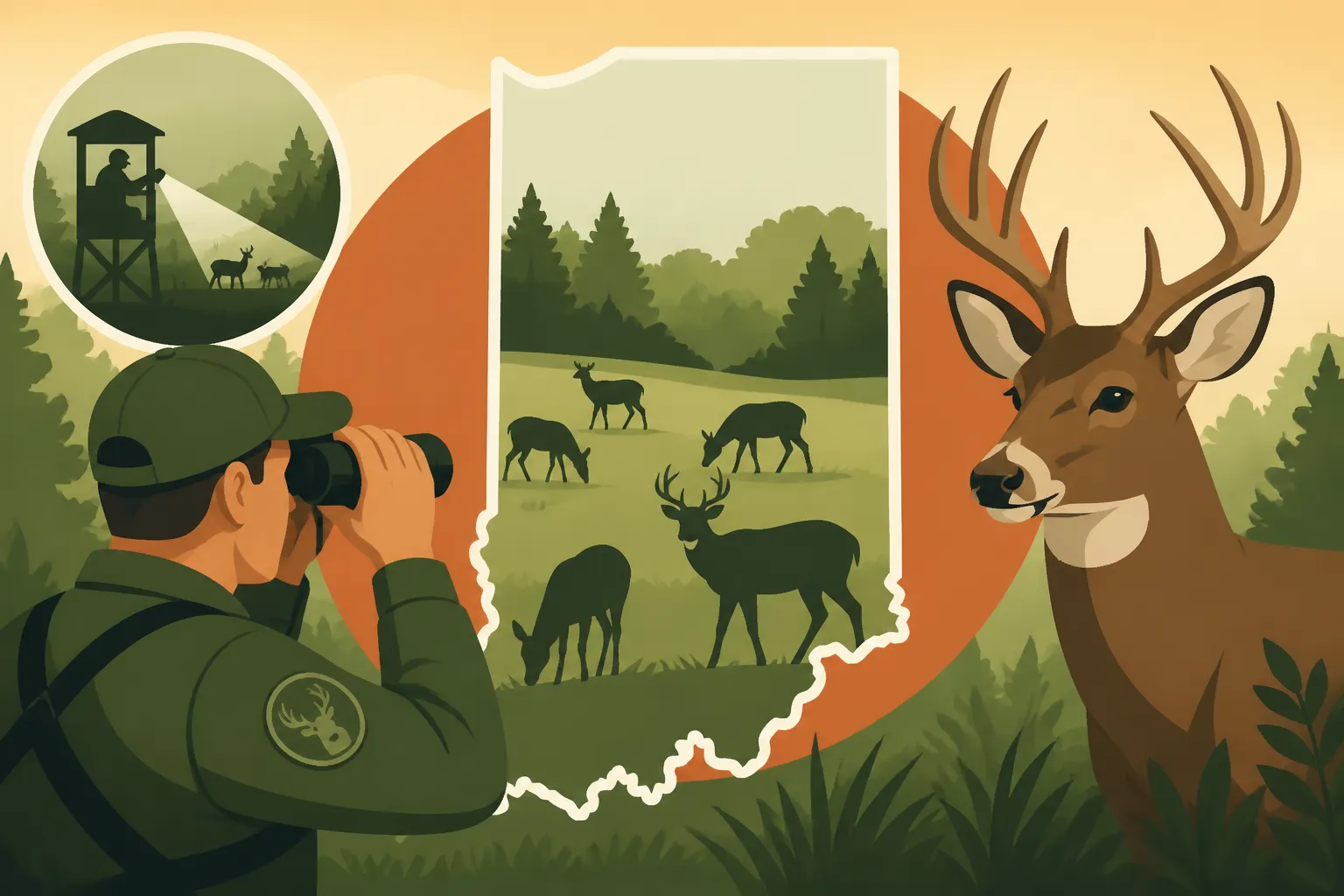
In specific areas or during certain conditions, the DNR may conduct aerial surveys, typically using helicopters, or perform ground-based spotlight surveys. These methods aim to directly observe and count deer in a defined area.
- Aerial Surveys: Best conducted in winter after leaf-fall and with snow cover, these surveys allow biologists to spot deer from above, particularly in open or agricultural areas. They provide a density estimate for specific tracts of land.
- Ground Spotlighting Surveys: These involve driving predetermined routes at night, shining spotlights into fields and woods, and counting the deer observed. This method is often used to monitor trends in specific regions over time.
While labor-intensive and weather-dependent, these surveys offer a more direct estimate of deer numbers in specific locales and help validate the population models derived from harvest data and other sources.
Data to Decisions: How Estimates Guide Management
All this collected data isn't just for curiosity's sake; it directly informs the Indiana DNR's management decisions. From setting season dates and bag limits to identifying deer reduction zones, every rule and regulation has a scientific basis rooted in these population estimates. The goal is to maintain a healthy, sustainable deer population that provides ample hunting opportunities while minimizing negative impacts on agriculture, forests, and public safety.
For instance, if harvest data combined with biological samples indicates a declining doe population in a specific region, the DNR might reduce antlerless tag availability there. Conversely, in areas with high deer-vehicle collision rates and agricultural damage, they might increase antlerless opportunities or create a Hunting a Deer Reduction Zone to reduce the herd size.
Setting Season Structures and Bag Limits
One of the most visible impacts of deer population estimates is on the annual hunting season structure. The DNR reviews all available data to determine:
- Overall Bag Limits: How many deer can be harvested statewide and by region.
- Antlerless vs. Antlered Tags: Adjusting the ratio helps manage population growth. Increased antlerless tags are a key tool to reduce herd numbers, while restricting them can allow a population to grow.
- Season Lengths and Dates: The timing of Indiana's Firearms Deer Season or Bowhunting Indiana's Long Archery Season is influenced by biological factors like the rut and hunter participation data.
- Special Seasons: Youth hunts, reduction zone hunts, or special urban archery seasons are often implemented to address localized deer management needs.
- Regulations on Rifles: With Indiana's New Statewide Rifle Rules having changed, the DNR continuously monitors harvest data to understand impacts on overall deer numbers and hunter success rates.
These decisions are not made lightly. They involve careful consideration of biological principles, social factors, and economic impacts, all guided by the best available population data.
| Data Source | What It Tells Us | Pros | Cons |
|---|---|---|---|
| Hunter Harvest Reports | Number of deer, sex, age (buck points), location, dates | Direct, large sample size, geographically specific | Relies on hunter compliance, can be biased by hunter effort |
| Roadkill Data | Localized deer density, population trends, high-risk areas | Continuous, independent of hunting pressure | Only accounts for deer near roads, doesn't provide age/sex details |
| Biological Samples | Age structure, reproductive rates, health, disease prevalence | Detailed health/biological insights, accurate aging | Labor-intensive, requires hunter cooperation |
| Aerial/Ground Surveys | Direct counts in specific areas, density estimates | Direct observation, spatial accuracy | Expensive, weather-dependent, limited scope |
The Role of Hunter Input and Feedback
While scientific data forms the backbone of deer management, the DNR also values input from hunters. Your observations in the field – what you're seeing, or not seeing – provide valuable ground-truthing to their models. Attending public meetings, participating in surveys, and providing honest feedback (and accurate harvest reports!) are all ways you contribute to the bigger picture.
It's a two-way street. The DNR uses data to manage the herd, and hunters provide data (through reporting) and anecdotal observations that can sometimes highlight areas for further investigation. For instance, if hunters consistently report a decline in deer sightings in a particular area, even if harvest numbers don't immediately reflect it, it can prompt the DNR to look closer at that specific region with other survey methods. This collaborative effort helps ensure the continued health of White-Tailed Deer Across Indiana.
Your Role as a Hunter in Deer Herd Management
As hunters, we aren't just participants in the season; we are active stakeholders and crucial data collectors for the DNR. Your commitment to ethical hunting practices and accurate reporting directly impacts the quality of the information used to manage Indiana's deer herd for future generations.
Accurate and Timely Harvest Reporting
This cannot be stressed enough: report every deer you harvest, completely and accurately. Whether it's a giant buck or a single antlerless deer, each piece of data is vital. The DNR uses various platforms for reporting, including the Go Outdoors Indiana website and their mobile app, which many find incredibly convenient. This information directly contributes to understanding the Indiana Deer Herd Size and trends. Missing or inaccurate reports skew the data, leading to less precise population estimates and potentially flawed management decisions. Think of it as your personal contribution to wildlife science. You can read more about Indiana Deer Reporting Requirements to ensure you're always compliant.
Observing and Reporting Anomalies
Beyond official reporting, your eyes and ears in the field are invaluable. If you notice an unusual number of sick or dead deer, particularly outside of typical EHD die-off periods, or observe strange behaviors, report it to the DNR. This kind of information can be critical for early detection of disease outbreaks like CWD. The DNR is constantly monitoring Indiana Wildlife Disease Monitoring and your observations are a vital part of that network.
Likewise, if you are consistently seeing very few deer where you usually see many, or an abundance of deer in an unexpected place, your anecdotal observations, while not scientific data in themselves, can sometimes prompt wildlife managers to investigate further with their own surveys. This kind of collaborative spirit between hunters and wildlife agencies is what truly ensures effective conservation. Many hunters also use mapping systems like GoHunt to mark and remember specific observations, like large deer movements or areas with concentrated sign, which helps them better understand patterns, and in turn, inform their understanding of localized herd activity.
Becoming an Informed Advocate
By understanding how the DNR estimates deer populations and the challenges involved, you become a more informed hunter and a better advocate for wildlife conservation. You can engage in conversations about deer management with a clearer understanding of the science, helping to dispel myths and support sound decisions. This knowledge empowers you to understand the rationale behind regulations and appreciate the complex balance the DNR strives to achieve. From learning Why Southern Indiana Grows Big Bucks to understanding changes in bag limits, staying informed is key.
Ultimately, the health of Indiana's deer herd is a shared responsibility. The DNR provides the scientific framework, but it's the collective actions and participation of hunters that make that framework truly effective. So next time you're out scouting, or after you've made a successful harvest, remember that every piece of information matters, and you are part of a larger effort to ensure thriving deer populations for generations to come.
Disclaimer
This article is for general informational purposes only and does not constitute professional advice. Laws, prices and regulations vary by location and change over time. Consult a qualified professional for guidance on your specific situation.