Indiana Muzzleloader Season Tactics
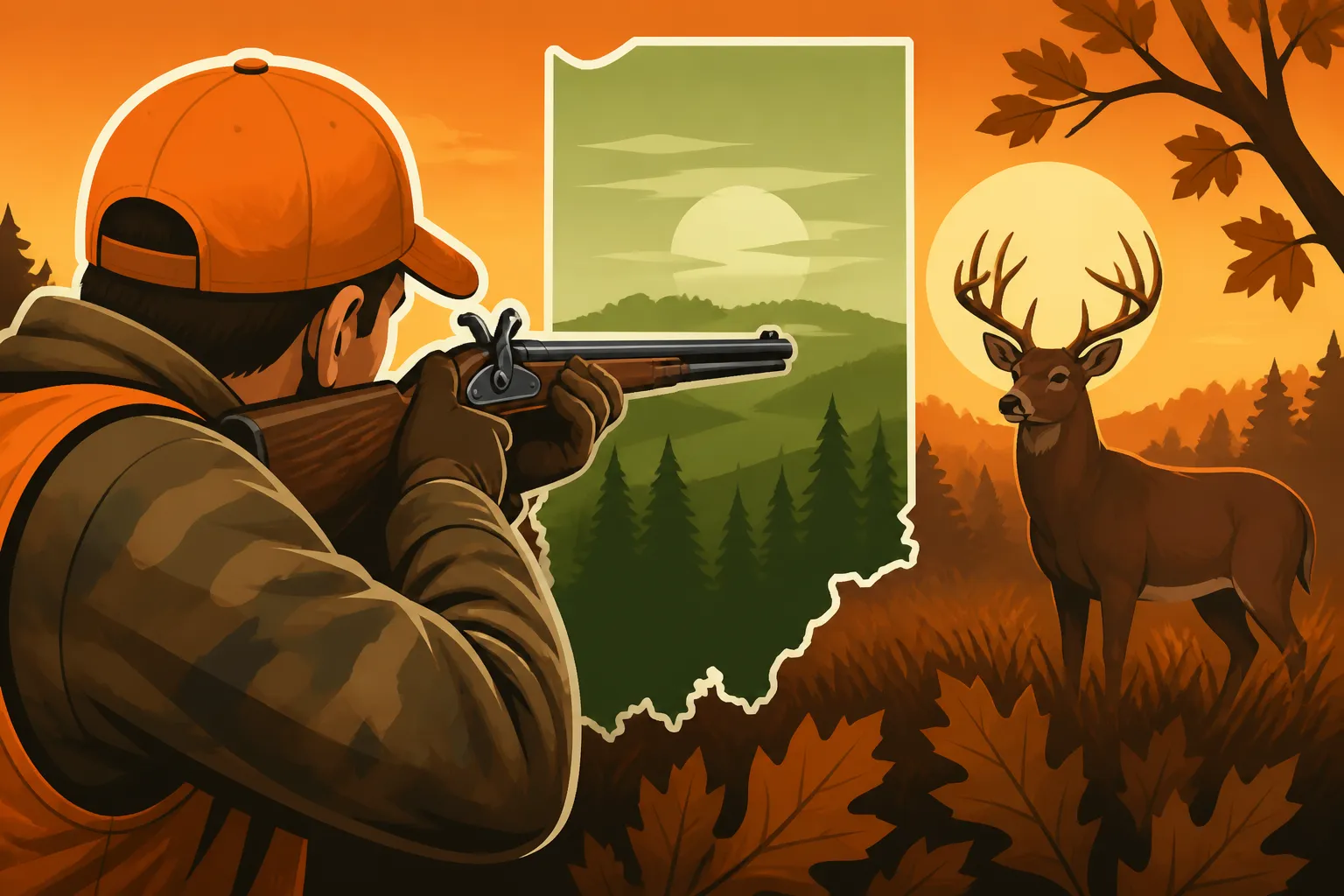
The chill wind of late December whipping through the barren hardwoods, maybe even a dusting of snow on the ground—that's often the reality of Indiana's muzzleloader season. It’s a completely different game from the early archery days or even the firearms opener. By this point, deer have been bumped, spooked, and educated, and finding a wary Hoosier whitetail with a single-shot front-loader can feel like a monumental task. This comprehensive guide is here to unravel the unique challenges and arm you with the tactical insights you'll need to fill your tag when the going gets tough.
Understanding the Season's Unique Challenges
When the muzzleloader season rolls around in Indiana, typically wrapping up in mid-December, you're not just dealing with different gear; you're dealing with a fundamentally changed deer woods. The deer have seen it all, and the weather often throws curveballs that make hunting a true test of grit and strategy.
Late-Season Deer Behavior
After weeks of archery hunters, the thunder of firearms season, and then perhaps even more pressure during the second archery split, Indiana deer are on high alert. They've shifted from the frenetic energy of the rut to a more survival-focused mindset. Their primary drivers are now food, thermal cover, and minimizing exposure to perceived threats. Bucks, especially, have retreated to their most secure bedding areas, often in thickets, deep ravines, or overlooked pockets of cover. They're no longer carelessly cruising for does. They've shed a significant amount of weight and are looking to conserve energy and replenish their reserves. This means their movements become highly calculated, often limited to twilight hours, making an all-day sit challenging but potentially rewarding. Understanding this shift is critical; don't expect rut-era activity. Instead, think about where a deer would go to survive the next cold front and find a quick bite to eat without putting itself in harm's way.
Weather Impact and Hunter Pressure
The weather during Indiana's muzzleloader season can be brutal, ranging from damp, dreary rains to bitter cold with heavy snow. These conditions directly influence deer movement. A sudden cold snap after a period of mild weather can kick-start deer activity as they seek calories. Conversely, an extended deep freeze might see them hunkered down, moving minimally. This is where your ability to predict and adapt to the elements becomes paramount. Beyond the weather, hunter pressure remains a significant factor, especially on public lands. Many hunters have already put in their time during earlier seasons, but the dedicated few pursuing deer with a muzzleloader often target the same high-traffic areas. You might find a familiar logging road or creek bottom that was hot in November to be eerily quiet now, or worse, full of human scent. This sustained pressure pushes deer further into secluded, dense cover, often making them nocturnal in more accessible areas. It's a game of finding those unpressured pockets or being willing to go where others won't.
Muzzleloader Limitations and Advantages
Hunting with a muzzleloader is a deliberate choice, and it comes with its own set of unique characteristics. The most obvious limitation is the single-shot nature of the firearm. There's no quick follow-up shot, which means every shot must count. You're forced to be more patient, more precise, and more confident in your shot placement. Reloading is a slow, methodical process, especially with cold fingers, further emphasizing the need for a clean kill shot. Range is also a factor; while modern muzzleloaders with saboted bullets can be effective out to 150-200 yards, many hunters, particularly in the timber, limit themselves to closer ranges for ethical reasons.
However, muzzleloaders also offer distinct advantages. The season often falls during a time when other deer seasons are closed, giving you exclusive access to the woods with this unique weapon. The primitive aspect of it appeals to many, fostering a deeper connection to the hunt. Plus, the sheer power of a large-caliber muzzleloader slug or bullet means it's incredibly effective at dropping a deer quickly, assuming good shot placement. The thunderous report and cloud of smoke add a dramatic flair that's hard to replicate. When considering your gear, delving into specific options for Muzzleloaders for an Indiana December can truly optimize your chances, ensuring your chosen firearm is ready for the unique demands of the season.
Effective Scouting and Stand Placement
Successfully hunting during Indiana's muzzleloader season hinges heavily on your ability to scout effectively and place your stand where it intersects with late-season deer patterns. Forget much of what you learned from early fall or the rut; this is a new chapter for deer behavior.
Identifying Prime Late-Season Food Sources
By mid-December, many of the prime food sources from earlier in the fall are gone or significantly diminished. Acorns, if any remain, are often scavenged. Green browse has withered, and agricultural fields have been harvested. The deer are now desperate for high-energy calories to survive the cold. Your scouting should focus intensely on identifying any remaining food sources that are still viable. Think about standing crops like corn or soybeans that might still be unharvested, or fields of winter wheat and clover plots that offer precious green forage. Browse species like honeysuckle, green briar, and young saplings can become critical. Don't overlook cut corn or bean fields either; deer will still pick through them for any leftover morsels.
Water sources, especially during a hard freeze, also become magnets. Open creeks, springs, or even ice-free pockets in ponds can be congregation points. When using tools like GoHunt, you can often overlay public land maps with aerial imagery to identify these potential food and water sources, even allowing you to Scouting Indiana Public Land Before Season for these crucial late-season spots. Understanding Late-Season Food Sources for Indiana Whitetails is perhaps the single most important factor in your muzzleloader success.
Locating Thermal Cover and Bedding Areas
Just as important as food is cover – specifically thermal cover. With cold winds, rain, and snow, deer seek refuge in areas that offer protection from the elements. This often means thick, dense conifer stands like pines or cedars, south-facing slopes that catch more sunlight, or deep, sheltered ravines. River bottoms with thick undergrowth can also be excellent choices. These areas act as thermal blankets, helping deer conserve precious body heat.
You'll often find deer bedding in these locations, only venturing out for short periods to feed. Look for deer sign like fresh tracks, droppings, and rubs (though rubs will be fewer and older) in and around these thickets. The key is to find the intersection where these prime bedding areas are relatively close to a late-season food source. A deer will typically not travel far from its bedding to feed in bitter cold, so your focus should be on those tight transition corridors. These pockets might be small, but they can hold a surprising number of deer.
Adapting Stand Placement for Cold Conditions
Your stand placement for muzzleloader season needs to reflect the current deer behavior and weather. Instead of setting up on traditional travel corridors, focus on pinch points and funnels between thermal cover and the identified late-season food sources. These could be narrow strips of woods, saddlebacks, or creek crossings. Since deer movement is often restricted to twilight, consider putting stands closer to bedding areas, especially if you're hunting in the afternoons.
Also, think about your entry and exit routes. With less foliage, deer have better visibility and hearing, making stealth even more crucial. A quiet approach that avoids alerting bedding deer is paramount. Consider setting up ground blinds that offer better concealment and protection from the elements, allowing for longer, more comfortable sits. When pondering your stand setups, thinking about Hanging a Stand on a Southern Indiana Ridge or Using a Ground Blind on Indiana Public Land might give you ideas for adapting to late-season conditions, perhaps even brushing them in for maximum concealment. The goal is to intercept a deer moving slowly and cautiously from bed to feed, giving you that single, high-percentage shot.
Muzzleloader Specific Hunting Strategies
The unique attributes of a muzzleloader, combined with the late-season conditions, demand specific hunting strategies. You can't just hunt it like a modern rifle season; patience, stealth, and a willingness to adapt are your best friends.
Still-Hunting Through Winter Woods
Still-hunting is one of the most effective tactics for muzzleloader season, especially when deer are tucked into thick cover. With the leaves gone, visibility can be excellent, but it also makes you more visible. The trick is to move incredibly slowly, taking a few steps, then pausing for several minutes to scan, listen, and glass every piece of cover. Use your binoculars to pick apart thickets, looking for the tell-tale horizontal line of a deer's back, a flick of an ear, or a patch of hide.
Focus on areas of dense cover adjacent to food sources or along sheltered creek bottoms. The wind is your guide; always hunt into the wind to keep your scent from alerting deer ahead of you. Move deliberately, placing each foot carefully to avoid crunching leaves or breaking twigs. This method requires immense patience, but it allows you to cover ground while actively hunting, rather than just waiting in a stand. It's an art form, and mastering Still-Hunting Southern Indiana Ridges in this way can unlock some incredible opportunities.
Tracking Deer in Fresh Snow
If Indiana gets a fresh blanket of snow, it's like a brand-new ballgame. Snow reveals everything: where deer are moving, what they're eating, and how recently they've been there. Tracking becomes an incredibly effective muzzleloader tactic. Look for fresh, large tracks, especially those of a lone deer or a small group, indicating a potential buck or a few does. Pay close attention to the stride length and depth of the tracks – deep, widely spaced tracks often indicate a moving deer, while shallow, close-together tracks might mean a deer is browsing or moving cautiously.
Once you pick up a track, the goal isn't to walk directly on it, but to parallel it, always observing ahead and to the sides. Deer moving through snow will often follow paths of least resistance, like old logging roads or game trails. They'll also often stop and look back, so be prepared to freeze if the tracks indicate a pause. The best tracking snow is a fresh, light dusting that covers the ground but isn't too deep, allowing for quiet movement. Learning Tracking a Deer in Fresh Indiana Snow can be a game-changer for your muzzleloader success. Remember that single shot; track carefully until you get a clear, close-range opportunity.
Patience and Persistence on Stand
Despite the effectiveness of still-hunting and tracking, stand hunting remains a staple, particularly if you've done your homework and identified a hot food source or a crucial travel corridor. Muzzleloader season often means shorter days and colder temperatures, so maximizing your time in a high-odds location is key. Patience is absolutely paramount. Deer movement might be sporadic, and often only for brief windows at dawn and dusk. This means long, cold sits.
But persistence pays off. A deer might appear out of nowhere, seemingly materializing from the dense cover. Be prepared for those fleeting opportunities. Dress warmly, bring snacks, and commit to your time in the stand. The quiet nature of waiting, the stillness of the winter woods, can be incredibly rewarding. Focus on understanding Cold-Weather Sitting Strategy in Indiana to make those extended hours more bearable and productive. You might only get one chance, so be ready when it comes.
Gear and Equipment Considerations
Muzzleloader hunting has a romance to it, but also a practicality. The right gear isn't just about comfort; it’s about ensuring reliability and maximizing your chances in challenging conditions.
Choosing the Right Muzzleloader and Projectile
When it comes to the muzzleloader itself, you'll find a wide range of options, from traditional caplock rifles to modern inlines. For serious deer hunting in Indiana, an inline muzzleloader is often the most practical choice due to its increased accuracy, reliability in adverse weather, and ease of cleaning. Brands like CVA, Traditions, and Thompson/Center offer excellent modern inline muzzleloaders.
The choice of projectile is equally critical. Saboted bullets, which encase a smaller, typically jacketed bullet in a plastic sabot, offer excellent ballistic coefficients and accuracy out to longer ranges. Popular choices include Barnes Bullets' "MZ" expanders or Hornady's SST Low Drag Sabots. Conical bullets, on the other hand, are solid lead projectiles that are bore-sized and don't use a sabot. They hit hard and are often favored for shorter, brushier shots. Ensure your chosen projectile performs well with your rifle and powder charge, and always practice extensively before heading into the woods. A table comparing common muzzleloader projectile types is below:
| Projectile Type | Description | Key Advantages | Typical Range | Best Use Case |
|---|---|---|---|---|
| Saboted Bullet | A smaller, jacketed bullet encased in a plastic sabot. | High velocity, excellent accuracy, flatter trajectory, good expansion. | 100-200+ yards | Open woods, field edges, longer shots. |
| Full Bore Conical | A bore-sized, solid lead projectile. | Heavy hitting, deep penetration, simpler loading. | 50-100 yards | Thick cover, close-range timber shots. |
| PowerBelt Bullet | A patented conical with a plastic gas seal base. | Easy loading, good accuracy for a conical, decent expansion. | 75-150 yards | Versatile, but can fragment at high velocities. |
For a deeper dive into the specifics, check out Gear & Optics: Muzzleloaders for an Indiana December.
Essential Cold Weather Hunting Apparel
Staying warm and dry is not just about comfort; it's about safety and your ability to remain on stand or still-hunt for extended periods. Layering is the name of the game. Start with a moisture-wicking base layer to draw sweat away from your body. Next, add an insulating mid-layer, like fleece or wool, which retains heat even if damp. For your outer layer, choose something waterproof, windproof, and quiet. Good quality insulated bibs and a heavy jacket are crucial for sitting still in bitter cold.
Don't forget your extremities. A warm hat that covers your ears is essential, as is a neck gaiter. Insulated, waterproof boots are non-negotiable for Insulated Boots for All-Day Sits, particularly if you're dealing with snow or damp ground. And a good pair of insulated, waterproof gloves or mittens is vital for keeping your trigger finger nimble enough for that crucial shot. Cold hands can ruin a hunt faster than almost anything else. Many experienced hunters swear by Wool Versus Synthetics in Wet Snow for silent movement and warmth.
Optics and Accessories for Muzzleloader Season
Even with a muzzleloader, good optics are paramount. A quality riflescope with excellent low-light gathering capabilities will be invaluable during those dim dawn and dusk hours when deer are most active. Many hunters prefer a variable power scope in the 3-9x or 4-12x range, offering versatility for both close timber shots and slightly longer distances if the opportunity arises. Ensure your scope is sighted in properly, not just at 50 yards, but also at your maximum ethical range.
Beyond the scope, a good pair of binoculars (8×42 or 10×42 are excellent choices) will help you pick apart distant cover and identify deer without having to raise your rifle. A rangefinder is also incredibly useful for accurately determining distances, especially when your single shot is so critical. Finally, remember to bring essential muzzleloader accessories: a quick-loader for a second shot (even if slow, it's better than none), a bullet starter, extra caps or primers, and a small cleaning kit to keep your bore free of fouling, which can quickly degrade accuracy.
Handling Cold Weather and Deer Recovery
The joy of a successful shot can quickly turn to a challenge if you're not prepared for the realities of cold-weather deer recovery. From staying comfortable to ensuring your venison is handled properly, late-season conditions add extra layers of consideration.
Staying Warm and Comfortable Afield
We've talked about layering, but it bears repeating: your comfort is your commitment. If you're shivering uncontrollably, you're not focused on the hunt, and you're more likely to make a mistake or give up early. Invest in high-quality gear. Consider hand and foot warmers for those truly bitter days. A small insulated seat pad can make a huge difference in radiating cold from the ground or stand. A thermos of hot coffee, tea, or soup can be a moral booster and a great way to warm up from the inside out.
Beyond gear, strategic breaks can help. If you're still-hunting, occasional brief periods of faster walking can get your blood flowing. If on stand, get up and stretch or do some light calisthenics if conditions allow without spooking deer. The goal is to maximize your time in the field, and that means minimizing discomfort. Truly understanding Cold-Weather Sitting Strategy in Indiana will improve not only your hunting but your overall enjoyment of the season.
Efficient Field Dressing and Meat Care
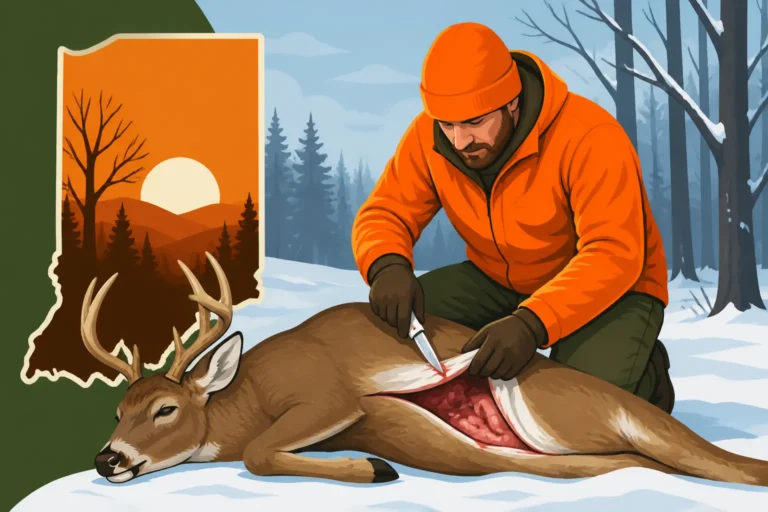
One distinct advantage of cold-weather hunting is how it simplifies meat care. The natural refrigeration means you have more time to field dress and transport your deer without worrying about spoilage. However, proper technique is still essential. Field dress the animal quickly and cleanly to allow the carcass to cool down as fast as possible. Remove all internal organs, paying special attention to the chest cavity, and prop open the body cavity with a stick to promote airflow.
If you have a long drag ahead, consider splitting the brisket to open the chest further. You can even quarter the deer in the field to lighten the load if you're deep in Hoosier National Forest Hunting or another remote public area. For dragging a deer out of a tricky spot, Sleds and Drags for Farm Country or a simple deer cart can be a lifesaver, especially on frozen or snowy ground. Even though it's cold, getting the meat processed quickly and hung in a cool, clean environment is always best practice.
Tracking and Recovering a Deer in Snow
If you've managed to connect with a deer in the muzzleloader season, and there's snow on the ground, recovery can be both easier and trickier. Easier because a blood trail is typically much more visible against white snow. Tricky because a light snow can fall and obscure a trail, or a deer can travel much further through open fields than expected. When you shoot, mark the exact spot where the deer was standing and its direction of travel. Wait at least 30 minutes for a good shot, or longer for a questionable hit, before beginning your track.
Follow the blood trail slowly and deliberately. Look not just for blood, but for disturbed snow, broken twigs, and "deer hair" in the snow. If the blood trail peters out, expand your search in circles around the last confirmed sign. Pay attention to natural escape routes like fencerows, creek bottoms, or thickets; wounded deer often seek the densest cover. Even if blood is minimal, Blood Trailing After Dark in Indiana can sometimes be aided by the contrast of blood on snow under the beam of a good headlamp. Remember, patience and a methodical approach are your best allies in ensuring a successful recovery.
Public Land vs. Private Land Tactics
Indiana offers a mix of both public and private hunting opportunities, and your muzzleloader tactics will often differ depending on where you're hunting. Understanding these differences can significantly improve your odds.
Navigating Pressure on Public Hunting Land in Indiana
Hunting Public Hunting Land in Indiana during muzzleloader season means dealing with residual pressure from earlier seasons. Deer are well-educated and will often reside in the thickest, nastiest, most difficult-to-access cover. To succeed, you must be willing to put in the effort to go deeper into these areas, further than most hunters are willing to walk. Use mapping tools like GoHunt to identify remote pockets of public land, hard-to-reach ridges, or overlooked ravines. Look for areas with dense thermal cover near a persistent food source, even if it's just a small stand of pines.
Early morning hunts are particularly effective, as deer might be caught transitioning from nocturnal feeding areas back to their bedding sanctuaries. Be quiet, be slow, and be prepared to move if you're not seeing fresh sign. Consider still-hunting large blocks of timber or using a slow, deliberate approach to push deer to a waiting partner if hunting with a group. The less disturbance you create, the better your chances. Hunting areas like Hoosier National Forest Hunting or various Indiana Fish and Wildlife Areas will demand this level of commitment.
Maximizing Opportunities on Private Property
If you have access to private land, your opportunities during muzzleloader season can be significantly better, often due to less pressure and more consistent food sources. Farmers might still have standing corn or bean fields, or landowners may have planted food plots specifically for deer. Work closely with the landowner to identify these key areas. Often, deer will feel more secure on private land and may move earlier in the evenings or later in the mornings.
Your tactics here can include setting up ground blinds or treestands near active food plots, along hedgerows, or in woodlots adjacent to standing crops. Unlike public land, you might have the luxury of observing deer patterns for a few days before committing to a stand location. If deer are using a particular field, an all-day sit in a well-concealed blind on a field edge, especially after a cold front, can be incredibly productive. Just ensure you have explicit permission and understand Do You Need Written Permission in Indiana? to avoid any issues. Leverage mapping apps like GoHunt to study property boundaries and understand the lay of the land, even on private parcels.
Disclaimer
Always consult the most current Indiana Department of Natural Resources (DNR) hunting regulations before heading afield. Hunting laws and regulations can change, and it is the hunter's responsibility to be informed and compliant. This guide is for informational purposes only and does not supersede official DNR regulations.