Indiana Elk History and Extirpation
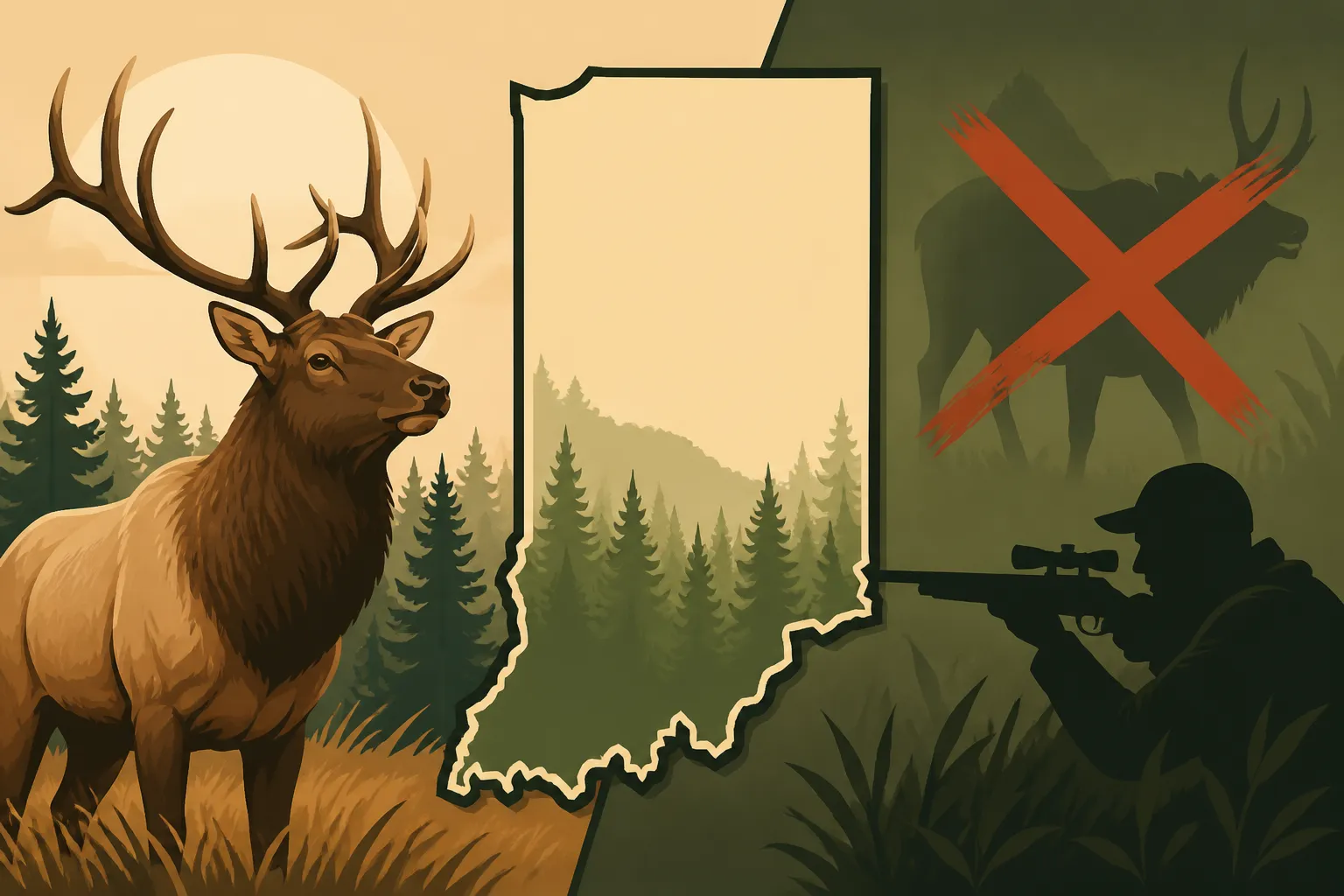
It’s a thought that might surprise many Indiana hunters: that our state was once home to magnificent elk. When we think of elk, our minds often drift to the sweeping mountain ranges out West or the thriving herds in states like Kentucky or Pennsylvania. But right here in the Hoosier State, these majestic animals once roamed freely, shaping the very landscape and presenting a formidable presence. Many of us never even consider it, which is a shame, because understanding their story of extirpation and the lingering questions about their possible return helps us appreciate the wildlife management challenges and triumphs we see today, particularly with our beloved whitetails. This guide will delve into the rich history of elk in Indiana, their unfortunate disappearance, and the ongoing conversations about what it would take for them to once again grace our woods and fields.
The Majestic Past: Elk Roaming Pre-Settlement Indiana
Imagine standing in a dense Indiana forest centuries ago, and instead of the familiar rustle of a whitetail deer, you hear a deeper, more resonant bugle echoing through the trees. That's right, elk were once an integral part of Indiana's wildlife tapestry. These weren't just a few stragglers; historical accounts suggest healthy populations thrived across large swaths of the state before European settlement drastically altered the landscape. It's easy to dismiss this as ancient history, but truly understanding what was here helps us connect with the land in a deeper way.
The Landscape They Called Home
Pre-settlement Indiana was a mosaic of diverse habitats, perfectly suited for elk. We're talking about vast expanses of old-growth forests, particularly the deciduous hardwoods with their abundant mast crops like acorns, hickories, and beechnuts that provided crucial winter food. But it wasn't just dense timber; there were also extensive wetlands, prairie openings, and river bottoms that offered open grazing areas, water sources, and important mineral licks. Think about the rich river valleys like those along the Wabash River, with their fertile soils and mixed environments, or the sprawling, untamed sections of what would eventually become the Hoosier National Forest. These were prime territories for elk, offering both the cover they needed and the forage to sustain their large bodies. They were browsers and grazers, moving between the safety of thick cover and the nutrient-rich grasses of more open areas, much like deer do today, but on a grander scale.
The sheer size of elk meant they needed significant home ranges and a variety of food sources throughout the year. The diverse Indiana ecosystem provided exactly that, allowing them to thrive and establish robust populations. They were a cornerstone species, playing a vital role in shaping the forest understory through their grazing and browsing habits, much as deer do today, though with a different impact due to their larger stature.
How Elk Shaped Indiana's Early Ecosystem
Elk weren't just passive inhabitants; they were active architects of the early Indiana ecosystem. Their sheer size and feeding habits had a profound impact on vegetation. By browsing on shrubs and young trees and grazing on grasses, they helped to maintain open spaces within forests, creating diverse habitats that benefited a myriad of other species. Their migrations and daily movements also helped distribute seeds, contributing to forest regeneration and plant diversity. Think of them as natural landscapers, constantly shaping their environment.
Furthermore, elk served as a critical food source for predators like wolves and mountain lions, both of which were also native to Indiana at the time. Their presence created a complex food web, keeping the ecosystem in a delicate balance. The richness of the soil and the vigor of the plant life were, in part, a testament to the influence of these large herbivores. Their role was foundational, and their removal had cascading effects that rippled through the entire natural community, much more than just the absence of a large animal.
The Vanishing Herds: Factors Leading to Extirpation
It's a sad chapter in Indiana's natural history, but one we need to understand. The majestic elk that once roamed our state disappeared completely, a process known as extirpation. This wasn't a sudden event, but rather a slow, grinding decline driven by a combination of human pressures and environmental changes. For those of us who cherish Indiana's wildlife, it’s a sobering reminder of how quickly even abundant species can vanish without careful management.
Unregulated Hunting Pressure
Perhaps the most significant factor in the elk's disappearance was unregulated hunting. In the early days of European settlement, hunting was often a matter of survival, and market hunting – killing animals for their meat and hides to sell – was rampant. There were no seasons, no bag limits, and certainly no thoughts of conservation or sustainable harvesting. Elk, being large animals, represented a substantial amount of meat and hide, making them prime targets. Imagine the temptation to take down an elk to feed your family through a long winter or to sell its hide for much-needed cash.
As settlements expanded, so did the number of hunters, and the technology available to them improved. While early hunters relied on less efficient firearms, their sheer numbers and relentless pursuit of elk for food, hides, and even antlers, took an unsustainable toll. The concept of wildlife management, as we understand it today with the Indiana DNR carefully setting seasons and limits for species like White-Tailed Deer Across Indiana, simply didn't exist. This unchecked pressure meant that even though elk populations were once strong, they couldn't withstand the constant, intensive hunting. It's a stark lesson in why robust hunting regulations and ethical practices are so crucial for wildlife survival.
Habitat Loss and Agricultural Expansion
Hand-in-hand with hunting pressure, the relentless march of agricultural expansion sealed the elk's fate. As pioneers moved into Indiana, they cleared vast tracts of forest to create farmland for crops and pastures for livestock. The diverse forests and prairie openings that elk relied upon were systematically destroyed or fragmented. Imagine acre after acre of old-growth timber being felled to make way for cornfields and homesteads. This didn't just reduce the available food sources; it also eliminated the critical cover elk needed for protection from predators and severe weather, and to raise their young.
The fragmentation of habitat also isolated elk populations, making them more vulnerable. Smaller, disconnected groups couldn't sustain themselves or adapt to changes as easily. As their natural homes disappeared, elk had fewer places to escape human encroachment, pushing them into smaller and smaller pockets until those too were gone. This complete transformation of the landscape, from a wild mosaic to a predominantly agricultural one, made Indiana utterly unsuitable for elk. It’s a powerful illustration of how human development directly impacts wildlife, a challenge we still face today in different forms when we consider managing wildlife alongside our ever-growing population.
Disease and Other Contributing Factors
While hunting and habitat loss were the primary culprits, other factors likely played a supporting role in the elk's extirpation. Diseases, often exacerbated by declining health from nutritional stress due to habitat loss, could have impacted weakened populations. As livestock became more prevalent, there was also a potential for disease transmission between domestic animals and wild elk, though documentation from that era is understandably sparse.
Additionally, severe weather events, especially harsh winters, could have pushed already struggling herds over the edge. When combined with reduced access to food and shelter, extreme cold or heavy snow could have led to increased mortality. The cumulative effect of these pressures—a relentless combination of human exploitation, environmental destruction, and natural challenges—proved too much for Indiana's elk. Their story is a powerful testament to the delicate balance of ecosystems and the profound impact of human activity, reminding us why we now have robust Indiana Wildlife Disease Monitoring programs and rules around Indiana CWD Testing for Hunters.
The Echo of the Past: Last Known Sightings and Records
It’s one thing to read about elk in historical accounts, but it’s another to grasp the reality of their decline. For many of us, the idea that elk once roamed Hoosier soil is almost mythical. Yet, historical records and the diligent work of naturalists allow us to trace their disappearance, offering a poignant look at the last gasps of a majestic species within our state’s borders. These fading echoes tell a story of rapid change and irreversible loss.
Documenting the Decline
As the 19th century progressed, reports of elk sightings in Indiana became increasingly rare and localized. Instead of widespread populations, accounts spoke of isolated individuals or small, desperate groups clinging to the most remote corners of the state. Early naturalists and settlers, though not always with the formal scientific methods we have today, often recorded their observations, providing us with invaluable glimpses into this decline. These accounts often painted a picture of animals under immense pressure, constantly on the move, trying to avoid human contact.
The last reliable reports placed the remaining elk in the heavily timbered, southern parts of the state, likely in areas that offered some of the last refuges from agricultural encroachment. Think of the rugged terrain that would eventually become sections of the Hoosier National Forest, where the deep woods and steep ravines might have offered a temporary sanctuary. But even these remote havens eventually succumbed to the relentless expansion of human activity. It's a painful reminder that even the wild places we now cherish were once under siege, and why places like the Hoosier National Forest Hunting areas are so important for conservation today.
The Official Extinction Date
While pinpointing an exact "extinction" date for a species that slowly fades away is always a challenge, historians and wildlife biologists generally agree that the last wild elk in Indiana were gone by the early 1830s, or at the very latest, the mid-1830s. The last confirmed record often cited is an elk reportedly killed in the Jasper County area around 1830. This makes Indiana one of the earliest states in the Midwest to see its native elk population completely vanish.
It’s a sobering timeline when you consider how quickly it happened after significant European settlement began. Within just a few decades, a species that had thrived for millennia was wiped clean from the landscape. This rapid extirpation serves as a powerful historical case study, illustrating the devastating impact of unregulated resource exploitation and uncontrolled habitat destruction. The loss of elk in Indiana is a stark reminder of our past mistakes and underscores the vital importance of modern conservation efforts to protect the species we still have, like the Wild Turkeys in Indiana and our robust White-Tailed Deer Across Indiana populations.
Modern Day Dreams: The Debate Over Elk Reintroduction
Even though Indiana's wild elk are long gone, the idea of their return has periodically surfaced, igniting passionate discussions among conservationists, hunters, and landowners. It’s a dream for many, envisioning the majestic animals once again gracing our landscapes. However, the reality of reintroducing a large cervid like an elk is incredibly complex, far more so than simply wanting them back. It involves a delicate balance of ecological, economic, and social considerations that our wildlife managers take very seriously.
Neighboring State Success Stories
The conversation about elk reintroduction in Indiana often draws inspiration from the incredible success stories in neighboring states. Kentucky, for instance, undertook a massive and highly successful elk reintroduction program beginning in the late 1990s. They brought elk from western states into the mountainous, heavily forested eastern regions, and today, Kentucky boasts one of the largest elk herds east of the Mississippi River, supporting a thriving hunting season and eco-tourism industry. Pennsylvania, too, has a long-standing elk herd, initially a remnant population that was carefully managed and augmented over the decades, becoming another shining example of successful restoration.
These success stories demonstrate that with careful planning, suitable habitat, and public support, elk can indeed be re-established in landscapes that were once their native range. The conditions for success typically include vast tracts of contiguous habitat, a welcoming regulatory framework, and a population willing to coexist with these large animals. Seeing how other states have managed this gives Hoosiers hope and fuels the discussion, inspiring thoughts about how we might approach such a monumental task here.
Challenges and Considerations for Indiana
While the dreams of elk bugling in Indiana are inspiring, the challenges of reintroduction are significant and cannot be overlooked. First and foremost is habitat. While southern Indiana still boasts extensive timberland, particularly within the Hoosier National Forest and our various state forests, the sheer amount of contiguous, unfragmented habitat required for a self-sustaining elk herd is immense. Our landscape is much more fragmented and developed than it was in the 1800s, with a dense network of roads, towns, and agricultural fields. This raises questions about potential conflicts with agriculture, such as crop damage, and safety concerns with vehicle collisions, much like we see with deer today but on a much larger scale.
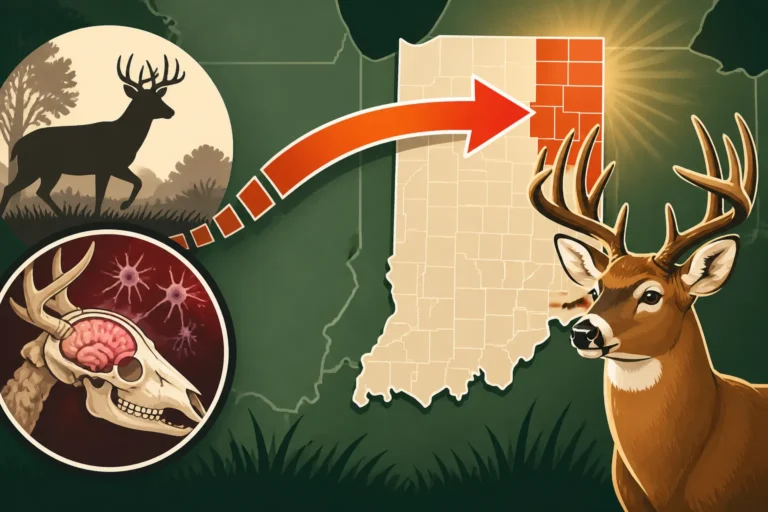
Another critical consideration is disease management. With the ongoing concerns about Chronic Wasting Disease in Indiana Deer, introducing another cervid species, even from a CWD-free area, would require incredibly stringent testing and monitoring protocols to protect both the reintroduced elk and our existing deer herd. Furthermore, public perception and social tolerance are huge. Farmers, homeowners, and even other hunters would need to be on board with the idea of sharing the landscape with elk, understanding the potential impacts and benefits. It’s not just about finding enough wilderness; it's about integrating them into a landscape that's already heavily used by humans and their interests.
The Role of Organizations and Public Interest
The discussion around elk reintroduction is kept alive largely by the passion of conservation organizations and segments of the hunting community. Groups like the Rocky Mountain Elk Foundation, while not actively pursuing reintroduction in Indiana, support elk conservation and reintroduction efforts nationwide, and their work in other states often provides a blueprint. Locally, discussions among hunters, wildlife enthusiasts, and land managers often circulate about the "what ifs."
For those interested in the broader conservation efforts and species management, platforms like GoHunt provide valuable insights into wildlife populations and management strategies across different regions, though their focus might be on huntable species elsewhere. The public's interest and willingness to support such a program, both financially and logistically, would be paramount. Any serious consideration of reintroduction would require extensive public outreach, scientific feasibility studies, and careful collaboration between state wildlife agencies, landowners, and conservation groups to gauge true interest and address potential concerns proactively. Without broad public support, even the best-laid plans would face significant hurdles.
Understanding Wildlife Management and Our Role
The story of Indiana's elk, from their abundant past to their complete extirpation, offers a profound lesson in wildlife management and conservation. It's not just a historical anecdote; it’s a living testament to the power of human impact, both destructive and restorative. As modern hunters and outdoor enthusiasts, understanding this history shapes our perspective on current wildlife populations and reminds us of our ongoing responsibilities.
The Broader Picture of Conservation
The absence of elk in Indiana underscores the critical importance of a holistic approach to conservation. It's not enough to simply protect individual animals; we must conserve the habitats they depend on and manage human interactions with wildlife sustainably. This is the foundation of modern wildlife management, which seeks to balance ecological health with human needs and recreational opportunities. When we look at successful reintroduction efforts in other states, or even the impressive recovery of species like the Indiana River Otter Recovery, we see decades of intentional effort—habitat restoration, careful population monitoring, and strict regulations.
Conservation is an ongoing process, not a one-time fix. It requires vigilance, adaptability, and an understanding that ecosystems are complex and interconnected. Every species plays a role, and the loss of one can have ripple effects throughout the entire system. That's why entities like the Indiana DNR are constantly working on initiatives to protect our remaining wild spaces and manage species like our Indiana Deer Population Estimate, ensuring we don't repeat the mistakes of the past.
What We Can Learn from Elk's History
The story of Indiana's elk offers several invaluable lessons for today's hunters and conservationists. Firstly, it highlights the devastating consequences of unregulated hunting and rapid, uncontrolled habitat destruction. It’s a stark reminder of why we have established hunting seasons, bag limits, and ethical hunting practices today. These regulations, though sometimes perceived as burdensome, are the very safeguards that prevent other species from suffering the same fate as the elk. Knowing that we have robust systems in place to prevent such a loss again can be reassuring, but it also means we must be diligent participants.
Secondly, it teaches us about resilience and the potential for restoration. While elk have not returned to Indiana, the success stories elsewhere offer hope and demonstrate what is possible when science, political will, and public support align. It encourages us to think critically about our role in conservation, whether it's supporting habitat initiatives, practicing ethical hunting, or simply being more aware of the wildlife around us. Every time we go Scouting Indiana Public Land Before Season or observe a thriving population of Squirrel and Small Game Hunting in Indiana, we are witnessing the fruits of ongoing conservation efforts that prevent another historical loss. The history of Indiana's elk is a powerful call to action: to learn from the past, protect the present, and carefully consider the future of our state's incredible natural heritage.
Disclaimer
This article is for general informational purposes only and does not constitute professional advice. Laws, prices and regulations vary by location and change over time. Consult a qualified professional for guidance on your specific situation.